
 By adnanshabbir942@gmail.com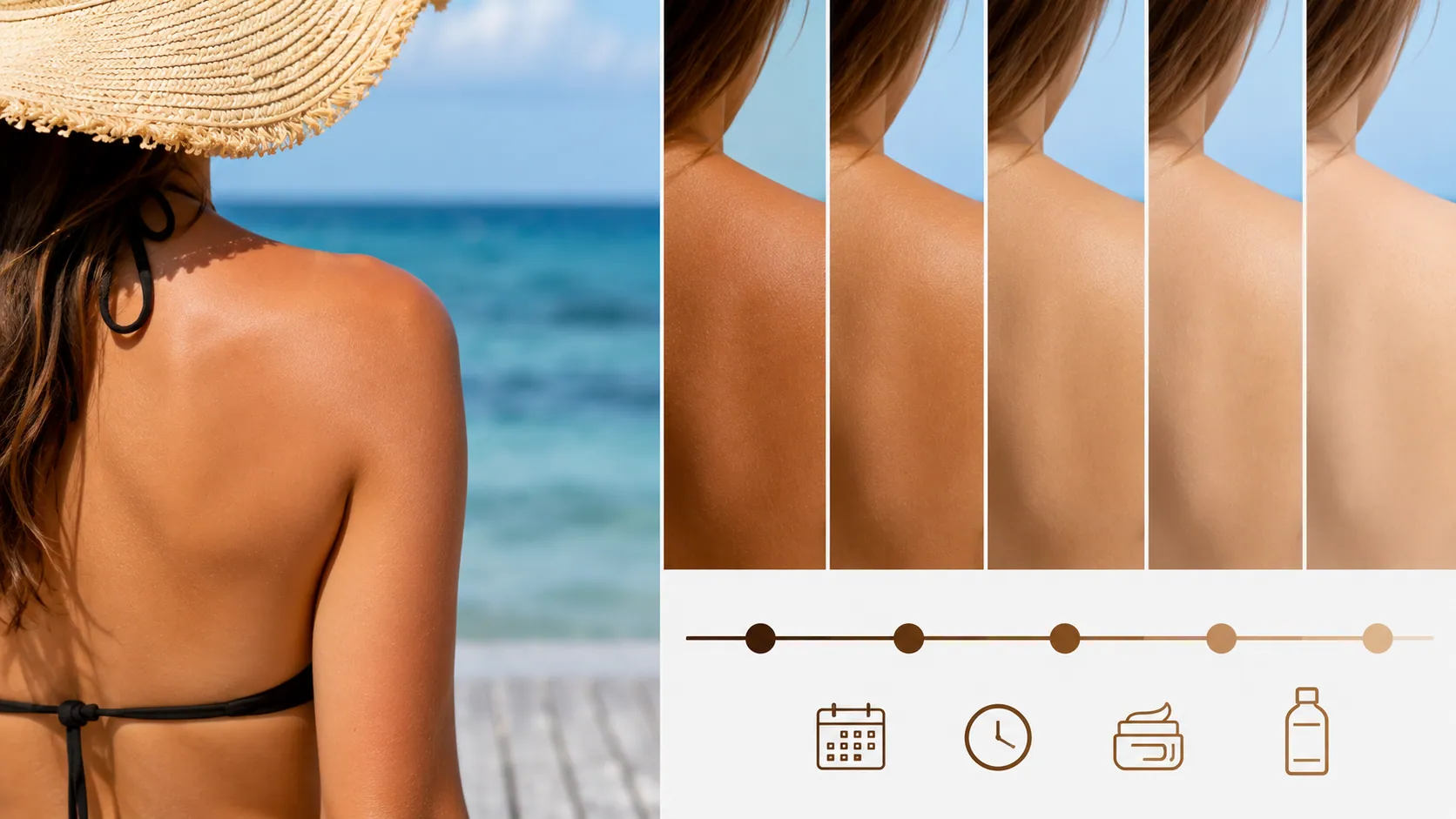
How long does the tan last is one of the most common questions people ask after a beach trip, tanning session, or weekend in the sun. The honest answer is that most tans last around 7 to 10 days, but that timeline can be shorter or longer depending on your skin type, tan type, skin turnover, UV exposure, aftercare, and even simple habits like hot showers, shaving, and how often you exfoliate.
Some people notice a natural tan fading within a week. Others hold onto that sun-kissed glow for a couple of weeks. A spray tan, self tan, or fake tan usually follows a different pattern because it sits on the outer layer of skin rather than being triggered by melanin production deeper in the skin. That is why understanding how tanning works, what makes a tan fade, and how to make a tan last longer can make a big difference.
In this guide, you will get a clear answer, a realistic tan duration timeline, and practical advice for keeping your color looking smooth, even, and healthy for as long as possible.
Quick Answer: How Long Does a Tan Usually Last?
If you want the simplest answer first, how long does a tan last depends on the kind of tan you have.
A natural suntan often lasts 7–10 days, though some people may notice color hanging on for a couple of weeks if they have a slower skin turnover cycle or more repeated sun exposure. A spray tan or self tan usually lasts around 5–7 days, and sometimes up to 10 days with good prep and aftercare. A deeper tan from repeated sun exposure or a sunbed tan may appear to last longer, but it still fades as the skin renews itself.
Here is a quick comparison:
| Tan Type | Typical Timeline | Why It Lasts This Long |
| Natural tan | 7–10 days | Triggered by melanin after UV radiation exposure |
| Spray tan | 5–7 days | Colors the top layer of skin with DHA |
| Self tan / fake tan | 5–10 days | Depends on formula, hydrated skin, and upkeep |
| Sunbed tan | 7–10 days or longer | Similar fading pattern to sun tanning, tied to skin renewal |
So, if you are asking how long will a tan last, the safest general answer is about a week to 10 days. The real key is whether you are dealing with a natural tan, a sunless tan, or a self-tanner product.
What Makes a Tan Fade?
A tan fades because your skin is always renewing itself. The cells on the surface do not stay forever. As old skin cells shed and new ones replace them, the extra pigment that made the skin look darker starts to disappear.
This is where melanin, melanocytes, keratinocytes, and the epidermis come into the picture. When your skin is exposed to UV rays, it responds by producing more melanin, which is the pigment that darkens the skin. That pigment gets distributed through the upper skin layers. But those upper layers are temporary. As the outer layer of skin goes through natural skin regeneration and cellular differentiation, the tan slowly fades.
That is also the answer to questions like where does a tan go or where does your tan go when it fades. It does not vanish overnight. It fades because the pigmented cells gradually leave the surface as part of the body’s normal renewal process.
This is why a tan is always temporary. Even if the color looks rich at first, it will not last forever unless it is being constantly refreshed, either by more sun exposure or by reapplying a self-tanner or spray tan product.
How Tanning Works in Your Skin
To understand factors influencing tan longevity, it helps to know what is happening under the surface. A tan is your skin’s response to UV radiation, including UVA and UVB. These wavelengths can stimulate melanocytes to make more melanin, which moves into surrounding skin cells and makes the skin appear darker.
In simple terms, your skin is trying to protect itself. That is why many experts explain that a tan is not a sign of skin health. It is a visible response to skin damage from sun exposure. While the color may look attractive to some people, the process is still tied to UV damage, sunburn, and long-term risk such as DNA damage, skin cancer, and melanoma.
There are also different forms of tanning. A natural tan comes from real UVR exposure. A spray tan and self tan do not increase melanin. Instead, they use ingredients such as dihydroxyacetone (DHA) to temporarily darken the dead surface cells. That is why how long does self tan last is a different question from how long does a natural tan last. The result may look similar, but the science is different.
This difference matters because it changes the fading pattern, the maintenance routine, and the overall safety of the method.
How Long Different Types of Tans Last
Natural Tan
If you are asking how long does a natural tan last, most people will see it fade within 7–10 days, though some deeper tans may remain visible for a couple of weeks. A natural tan can last longer if you continue getting sun exposure, but that also increases the amount of UV radiation your skin is dealing with.
Spray Tan
If your question is how long does a spray tan last, the average timeline is usually 5–7 days, with some lasting up to 10 days if your skin is well prepared and moisturized. Spray tan aftercare makes a big difference. Harsh cleansing, long hot showers, chlorine, and dry skin can make the tan break up early.
Self Tan / Fake Tan
For anyone asking how long does self tan last or how long does fake tan last, the answer is similar to spray tan. Most self tan formulas last roughly 5–10 days. Products like tanning mousse, lotion, or gradual tan can fade more evenly if applied to smooth, well-prepped skin.
Sunbed Tan
People also search how long does a sunbed tan take to fade. In many cases, it behaves like a natural tan because it comes from artificial UV rays. The timeline may still fall near 7–10 days, but the health risks remain.
The biggest takeaway is this: how long does a skin tan last is not one fixed number. It changes based on whether the color comes from melanin or from a topical product like DHA.
Factors That Affect How Long Your Tan Lasts
One person’s tan can last much longer than another person’s, even if both spent the same time in the sun. That is why skin type and tan duration matter so much.
Your Fitzpatrick skin type scale category can influence how easily you tan and how noticeable the fade becomes. People with light skin or fair skin may notice faster fading or uneven color because the contrast is more visible. Those with dark skin or deeper tones may hold visible pigment longer, though the exact timeline still depends on skin turnover.
Dryness is another major factor. If your skin is dehydrated, it sheds faster and more visibly, which can make a tan fade sooner. This is why people often ask, does dry skin make self tan fade faster. The answer is yes. Hydrated skin and moisturized skin usually support a smoother, more even fade.
Then there is exfoliation. Overdoing chemical exfoliation or physical exfoliation speeds up the loss of color. Ingredients like glycolic acid, retinol, and even strong vitamin C routines can make a face tan disappear faster than a body tan. This is especially relevant if you use active skincare every day.
Repeated sun exposure can also make the tan appear to last longer, but it comes with more UV damage. So while it may seem like a way to prolong your tan, it is not the healthiest route.
How to Make a Tan Last Longer
If your goal is how to make a tan last longer, your best strategy is not more tanning. It is better aftercare.
Start with moisture. Use a daily lotion, after-sun lotion, or barrier-supporting body moisturizer on damp skin after showering. Products with ceramides, gentle hydrators, and fragrance-free formulas can help reduce flaking and support a more even fade. The better your skin barrier looks, the better your tan usually looks.
Shower habits matter too. Lukewarm showers are better than hot water, because heat can dry the skin and make the color break up faster. Pat your skin dry instead of rubbing with a rough towel. Use a mild body wash instead of an aggressive scrub.
If you are maintaining a spray tan or self-tanner, avoid heavy exfoliation after application. Before tanning, however, proper prep matters. If you have ever searched how to prep skin before self tanning, the basics are simple: exfoliate gently, shave in advance if needed, and moisturize dry areas like elbows, knees, and ankles.
If you want to prolong your tan, sunscreen still matters. SPF 30 or higher helps prevent burning and uneven discoloration. It does not “lock in” your tan forever, but it protects your skin from additional stress and helps prevent blotchy fading. Think of it this way: a tan that fades evenly looks better than one that turns patchy because the skin barrier has been damaged.
A simple routine of twice a day moisturizing, gentle cleansing, and smart sun care often does more than people expect.
What Makes a Tan Fade Faster?
This is one of the most overlooked but useful questions. If you want to know what makes a tan fade faster, a few habits stand out.
Hot showers are a big one. So is shaving, especially if you shave often and use drying products. Chlorine in swimming pools can also strip moisture from the skin, which leads many people to ask, does chlorine make a tan fade faster. In many cases, yes, especially when it is combined with long swims and post-swim dryness. Salt water can have a similar effect.
Sweat and friction matter too. If you work out often, wear tight clothing, or rub the skin heavily with towels, you may notice faster fading. That is why questions like does sweating fade a tan and how long does a tan last after swimming every day matter more than many competitor articles admit.
Harsh exfoliants, drying soaps, and neglecting moisture are probably the fastest route to a patchy fade. If your tan seems to disappear too quickly, it is often not the tan itself. It is the condition of your skin.
Why Your Face Tan Fades Faster Than Your Body
Many people wonder, why does my face tan fade faster than my body. The answer is usually your skincare routine.
Your face is washed more often, treated with more products, and more likely to be exposed to active ingredients like retinol, glycolic acid, and vitamin C. These can increase turnover or visibly brighten the skin, which makes a face tan disappear sooner. On top of that, many people apply sunscreen more consistently to the face than the body, which is a good thing for skin health but can change how tanning looks over time.
The body, by contrast, is often left alone more. Fewer washes, fewer exfoliating acids, and fewer active products can make a body tan seem to last longer.
If you are asking how long does tan last on face vs body, the face usually loses color first. That is normal and not a sign that anything went wrong.
How to Keep a Tan Even While It Fades
Even fading is often more important than long fading. A tan that lasts fewer days but looks smooth is usually better than one that clings unevenly.
To keep a tan even while it fades, focus on moisture, gentleness, and consistency. Apply body lotion daily. Avoid random scrubbing. Use soft towels. If you have a self tan, consider a light top-up rather than waiting until it becomes blotchy.
This is also where how to avoid blotchy tan fading matters. Dry areas like elbows, knees, ankles, and hands usually break first. If you care for those areas early, you can improve the whole look of the fade.
A good rule is to treat the skin as if it is recovering, not as if it needs to be scrubbed. Less friction usually means a more even finish.
Can a Tan Be Permanent?
A common question is can a tan be permanent. In the normal sense, no. A tan is temporary. It fades as your skin renews itself.
What sometimes confuses people is hyperpigmentation after tanning. If darker areas stay visible for months, the issue may not be a normal tan anymore. It could be discoloration, dark spots, or post-inflammatory pigmentation. That is different from a healthy-looking temporary tan and may need a more targeted skincare approach.
So if you are wondering, what about a tan that lasts for months, it is worth considering whether it is really a tan at all.
Is Tanning Safe? What to Know About UV Damage
A tan may look flattering, but safe tanning advice always has to include one truth: UV radiation can damage the skin.
Natural tanning and tanning bed use both expose your skin to rays that can contribute to DNA damage, faster skin aging, and increased risk of skin cancer and melanoma. That does not mean you need to panic over one sunny day, but it does mean chasing a darker tan through repeated exposure is not the healthiest strategy.
If you enjoy the look of bronzed skin, spray tan and self-tanner options are generally the safer way to get that result. They give you the look without the same level of UV-related harm.
That is why the smartest version of how to make your tan last longer is really about caring for the color you already have, not trying to deepen it with more damage.
Best Time to Tan Before a Wedding, Vacation, or Photos
This is one of the biggest content gaps online. If you want a photo-ready tan for an event, timing matters.
For a spray tan or self tan, many people do best when they apply it a little before the event rather than too early. If you tan too soon, the fade may already be showing. If you tan too late, the color may still be settling. For a natural tan, the same logic applies in a different way. You want enough time for the color to develop, but not so much time that it fades before the important day.
If you are thinking about best time to tan before a wedding, vacation prep, or a special photo session, aim for the window where the tan looks settled, even, and not overly fresh. That balance matters more than chasing maximum darkness.
FAQ
How long does a tan last on fair skin?
Usually around 7–10 days, though fair skin can show fading more quickly because the contrast is easier to see.
Does chlorine fade a tan?
It can. Chlorine often dries the skin, which can speed up fading and make color look uneven.
Does shaving fade a tan?
It can contribute, especially with frequent shaving and drying products. The effect is often more obvious with self tan and spray tan.
Why did my tan turn patchy?
A patchy tan fade usually comes from dry skin, friction, harsh cleansing, or uneven prep.
Can I keep a tan without damaging my skin?
The safest path is usually a self-tanner or spray tan, plus good skincare and SPF 30 or higher for sun protection.
Conclusion
How long does the tan last depends on the type of tan, your skin type, your habits, and how well you care for your skin afterward. In most cases, a tan lasts about 7–10 days, while spray tan and self tan results often fall in the 5–10 day range. The reason a tan fades is simple: melanin or surface color is lost as skin cells naturally shed.
If you want better results, focus on what truly helps: hydrated skin, gentle cleansing, light maintenance, and sunscreen. And if you love the bronzed look but want to avoid extra UV damage, sunless tan options are usually the better choice.