
 By adnanshabbir942@gmail.com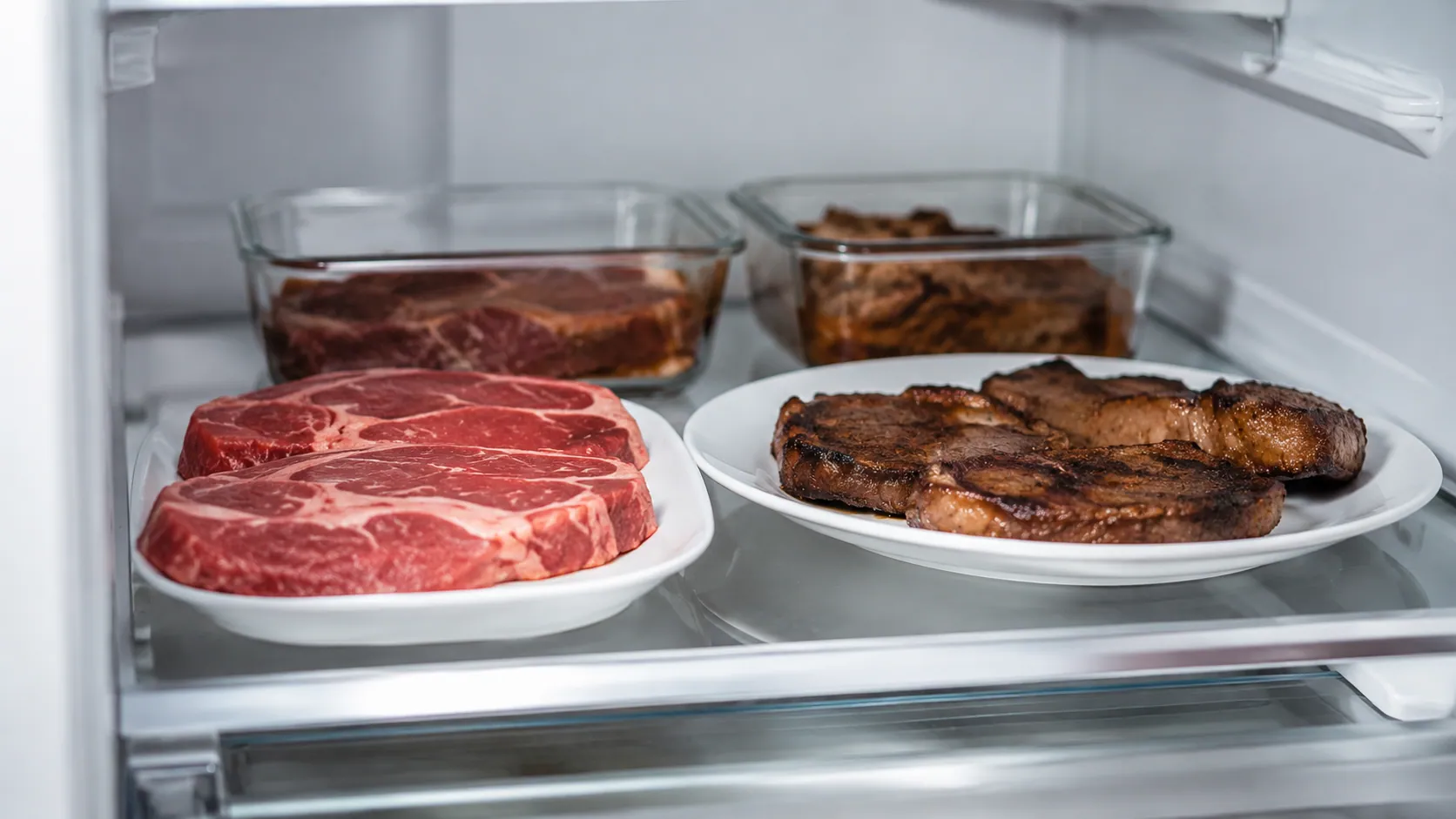
How long does steak last in the fridge depends on whether it is raw, cooked, thawed, or marinated, but the short answer is this: raw beef steaks usually last 3 to 5 days in the refrigerator, while cooked steak leftovers usually last 3 to 4 days, as long as your fridge stays at 40°F (4°C) or below. Food safety guidance also stresses that freezer storage is for quality, while refrigerator time limits are intentionally short to reduce the risk of spoilage and foodborne illness.
That sounds simple, but real life is messier. Sometimes the steak is still in its original packaging, sometimes it has been marinated, sometimes it was thawed overnight, and sometimes you open the fridge, look at a steak that seems mostly normal, and wonder whether it is still safe. This guide breaks all of that down in a practical way, so you know when to keep, cook, freeze, or throw steak away.
Quick Answer Chart: How Long Different Types of Steak Last in the Fridge
Before we get into the details, here is the fast-reference version most people want.
| Type of steak | How long in the fridge | Best note to remember |
| Raw steak | 3–5 days | Keep at 40°F / 4°C or below |
| Cooked steak | 3–4 days | Store in a sealed container |
| Thawed steak | Usually within the original safe window, often 1–2 days after thawing if previously frozen and fully thawed | Use sooner rather than later |
| Marinated steak | Usually within the raw steak window | Texture may decline before safety does |
| Ground beef comparison | 1–2 days | Spoils faster than whole cuts |
| Frozen steak | Safe indefinitely if kept frozen continuously, but best quality is typically within 6–12 months for steaks | Freeze before the fridge window runs out |
The key idea is that whole beef steaks usually keep longer than ground beef, and cooked leftovers have their own shorter timeline. Official cold storage charts list fresh steaks at 3–5 days, cooked meat dishes at 3–4 days, and note that frozen food kept at 0°F (-18°C) stays safe indefinitely, though quality drops over time.
How Long Does Raw Steak Last in the Fridge?
If you bought a raw ribeye, sirloin, fillet, strip steak, or another whole cut, the standard refrigerator window is 3 to 5 days. That applies when the steak is stored properly and your refrigerator is cold enough. Both FoodSafety.gov and FDA storage charts use that same 3–5 day range for fresh steaks.
This is where many people get tripped up. A package date does not automatically mean the steak stays safe until that exact day at home. The FDA explicitly says that product dates are not a guide for safe use, which is why storage charts matter more than guesswork. If you bought steak two days ago, kept it cold, and never opened it, you are probably in good shape. If you bought it five days ago and your fridge runs warm, the risk changes fast.
Packaging matters too. Steak in original packaging can be fine for the normal window, but once it is opened, transferred, or exposed to more air, its freshness can drop sooner. That does not always change the official safety window dramatically, but it can change the quality, smell, and surface texture faster. This is why it helps to keep raw steak in a leak-proof tray or container on the bottom shelf of the fridge, where it is colder and less likely to drip onto other foods. FDA refrigerator safety guidance recommends keeping the fridge at 40°F or below and using an appliance thermometer because many fridge controls are not very precise.
A practical example: if you buy sirloin on Monday, get it into a cold fridge quickly, and keep it sealed, using or freezing it by Thursday or Friday is usually the smart plan. Waiting beyond that is when the “maybe it’s fine” zone begins, and that is not where you want to be with raw beef.
How Long Does Cooked Steak Last in the Fridge?
Once steak is cooked, the usual refrigerator window becomes 3 to 4 days. That applies to leftover steak, sliced steak, steak added to a meal, or cooked meat dishes in general. Food safety charts from both FoodSafety.gov and FDA use the same range.
Cooked steak should be cooled and refrigerated promptly. The longer it sits out, the more opportunity bacteria have to multiply. Food safety guidance repeatedly uses the 2-hour rule for perishable food at room temperature, which means leftovers should not stay out for more than 2 hours before going back into the fridge.
For best results, place cooked steak in an airtight container or wrap it tightly, then refrigerate it. When you reheat it later, the FDA lists 165°F (74°C) as the safe reheating temperature commonly used for leftovers and cooked foods that need thorough reheating.
This is also where meal prep steak storage matters. If you cook several steaks on Sunday and plan to use them through the week, do not assume they will hold safely until Friday night. In most homes, Monday through Thursday is the safer expectation. After that, freezing is usually the better move.
How Long Can Thawed or Defrosted Steak Stay in the Fridge?
Thawed steak is where people get understandably nervous. The safest approach is simple: if steak was thawed slowly in the fridge, use it soon, ideally within the next 1 to 2 days for best safety and quality, especially if it was previously frozen raw. If it was thawed by microwave or cold water, it should generally be cooked right away rather than parked in the fridge for extra time. That pattern aligns with mainstream food-safety handling guidance: fridge thawing is the safest for flexible timing, while faster thawing methods shorten your margin.
Why does this matter? Because once steak warms enough during thawing, bacteria can begin multiplying again. A steak thawed overnight in the fridge is very different from one thawed in warm conditions on the counter. The fridge method keeps it in a colder, safer range. The counter does not.
Many people also ask, can you refreeze thawed steak? If the steak was thawed safely in the refrigerator and stayed cold, refreezing is generally possible from a safety perspective, though the quality may suffer. If it was thawed by microwave or hot-water shortcuts, cooking first is the safer route.
How Long Does Marinated Steak Last in the Fridge?
Marinated steak usually follows the raw steak timeline, which means 3 to 5 days at refrigerator temperature, but quality may change sooner depending on the marinade. Acidic ingredients such as vinegar, citrus, or wine can make steak softer over time, and sometimes mushy, even before the safety window ends.
This is one reason people confuse texture problems with spoilage. A steak that sat too long in a strong marinade may feel softer, but that is not the same thing as the slimy texture, foul odor, or odd discoloration associated with bad meat. If you marinate steak for flavor, 6 to 24 hours is often enough for most cuts. Longer than that may not improve the result and can hurt texture, especially with thinner cuts like flank steak or skirt steak.
The best practice is to marinate steak in the fridge, not on the counter, and store it in a sealed container or zip-top bag so raw juices do not spread.
How to Tell If Steak Has Gone Bad
This is the part people remember most, because it is what stands between “I do not want to waste food” and “I really do not want food poisoning.”
Bad steak often gives more than one warning sign. The most common are an off smell, a sour or ammonia-like odor, a slimy or sticky surface, and unusual color changes beyond normal darkening from oxygen exposure. If you notice gray-green tones, mold, or a tacky film, that is a strong sign the steak should be thrown away. Current FDA guidance also emphasizes that cold temperatures slow bacterial growth, but do not stop it entirely, which is why time limits matter even if the food still looks mostly okay.
Color is where many people make the wrong call. Steak does not need to stay bright red to be safe. Beef can turn more brownish when oxygen exposure changes the pigments. So brown steak is not automatically bad. But if the color shift comes with a bad odor, sticky feel, or pooling liquid, that is different. Then you are not looking at harmless oxidation anymore; you are looking at likely spoilage.
Here is a simple rule that works well in real kitchens:
- If the steak is within the safe fridge window, smells normal, feels normal, and was stored cold, it may still be fine.
- If it is outside the safe window, or has smell/texture/mold issues, throw it away.
- If you are stuck in the middle and asking yourself whether you are being too cautious, that is usually your answer.
A good article on steak storage should say this plainly: do not rely on smell alone. Some harmful bacteria do not make food smell terrible. That is exactly why official charts use short, conservative time limits.
The Best Way to Store Steak in the Fridge
Good storage does not magically double the shelf life, but it does help you get the full safe window.
Start by getting the steak into the fridge quickly after shopping. Keep the refrigerator at 40°F (4°C) or below, and use a fridge thermometer rather than trusting the dial setting. FDA specifically recommends an inexpensive freestanding appliance thermometer because many refrigerator controls do not show the true temperature.
Then focus on placement. Raw steak belongs on the bottom shelf or in a low spot where juices cannot drip onto foods that are ready to eat. Keep it in its original packaging if you will use it soon, or rewrap it tightly if the package is damaged. For cooked steak, use an airtight container. Labeling with the purchase date or the day it was cooked makes life much easier, especially if you are following a simple first in, first out habit.
This is also where cross-contamination matters. A perfectly good steak can still create a food safety problem if its juices reach salad greens, leftovers, or fruit. That is why “just toss it on a shelf” is not good enough.
Can You Freeze Steak to Make It Last Longer?
Yes, and in many cases freezing is the smartest move. If you know you will not cook your raw steak within the 3–5 day fridge window, freeze it before the clock runs out. Official storage charts say steak keeps best quality in the freezer for 6–12 months, though food kept frozen continuously at 0°F (-18°C) remains safe indefinitely.
The trick is preventing freezer burn and loss of quality. Wrap steak tightly, squeeze out excess air if possible, and label it. Vacuum sealing helps, but even a careful double-wrap can work well at home. If you freeze cooked steak, the quality window is usually shorter than for raw steak, but it can still save leftovers you will not eat within a few days.
Think of the freezer as your backup plan, not your last-minute panic button. Freezing on day two or three is much better than freezing after the steak is already questionable.
Steak Storage by Cut: Ribeye, Sirloin, Flank, Brisket, and More
Most whole beef steaks share the same basic refrigerator rule: 3–5 days. So whether you bought ribeye, sirloin, fillet, New York strip, or porterhouse, the standard window stays similar.
What changes more noticeably is quality, not the official safety range. Thin cuts like flank steak or skirt steak may dry out or lose texture faster. Heavily marbled cuts like ribeye may stay more appealing for a bit longer from a quality standpoint. Tougher cuts like brisket or chuck are often used differently, but raw refrigerated storage still follows the same broad safety logic as other whole cuts.
The real exception is ground beef, which does not get the same 3–5 day window. Ground meat typically has a shorter refrigerator life because more of its surface area is exposed and mixed. That is why it is smart to mention ground beef in the article even though the main keyword is about steak.
Sell-By, Use-By, and Best-By Dates: What They Mean for Steak
This is one of the most useful sections competitors often underplay.
A sell-by date mainly helps stores manage inventory. A best-by date is usually about quality. Neither one is the same as a guarantee of safety in your home refrigerator. FDA’s storage chart says this directly: product dates are not a guide for safe use, so safe handling and cold-storage timing matter more.
That means a steak can still be fine before a printed date and still be unsafe after poor storage. If the package sat too long in a warm car, leaked, or your fridge has been running above 40°F, the date on the label will not protect you.
What If Steak Was Left Out Overnight?
If raw or cooked steak sat out overnight, it should usually be discarded. Food safety guidance uses the 2-hour rule for perishable food at room temperature, because bacteria can multiply quickly once food is out of the cold zone.
This is one of those hard truths that nobody likes, especially with an expensive steak. But “it looks okay” is not enough here. Overnight on the counter is well beyond the normal safe window.
What If the Fridge Lost Power?
Power outages create a different problem: you may not know how warm the fridge got. FDA recommends keeping appliance thermometers in both the refrigerator and freezer so you can check whether the fridge stayed at 40°F or below and the freezer at 0°F or below during an outage.
If the fridge warmed above safe levels for too long, steak may need to be discarded. This is one more reason a simple thermometer is worth having.
FAQ: Common Steak Storage Questions
Can you eat steak after 5 days in the fridge?
Sometimes raw steak is still within the official 3–5 day range on day five, but that is the outer edge. If anything seems off, do not risk it.
Is brown steak always bad?
No. Brown color alone can happen from oxidation. Bad smell, sticky texture, slime, or mold matter more.
What is the best container for leftover steak?
An airtight container works best because it limits air exposure and helps keep the meat from drying out.
How long does unopened steak last in the fridge?
Usually the same 3–5 day raw steak window, assuming proper refrigeration.
Can cooked steak last 5 days?
Official guidance says 3–4 days for cooked meat leftovers, so day five is beyond the usual recommendation.
Conclusion:
The safest way to think about steak storage is simple. Raw steak usually gets 3–5 days in the fridge. Cooked steak usually gets 3–4 days. Everything depends on keeping the refrigerator at 40°F (4°C) or below, storing the meat properly, and paying attention to warning signs like off smell, slimy texture, and mold.
If you will not use the steak in time, freeze it early. If it sat out too long, throw it away. If it smells wrong, feels sticky, or makes you hesitate, that hesitation is worth listening to. With steak, a cautious decision is usually the smart one.
Disclaimer: This article is for general informational and food-safety purposes only. Steak freshness and safe storage times can vary depending on refrigeration temperature, packaging, handling, thawing method, marinade ingredients, and overall food storage conditions. Always follow proper food-safety guidelines and discard steak with foul odors, slimy texture, mold, or signs of spoilage to reduce the risk of foodborne illness.