
 By adnanshabbir942@gmail.com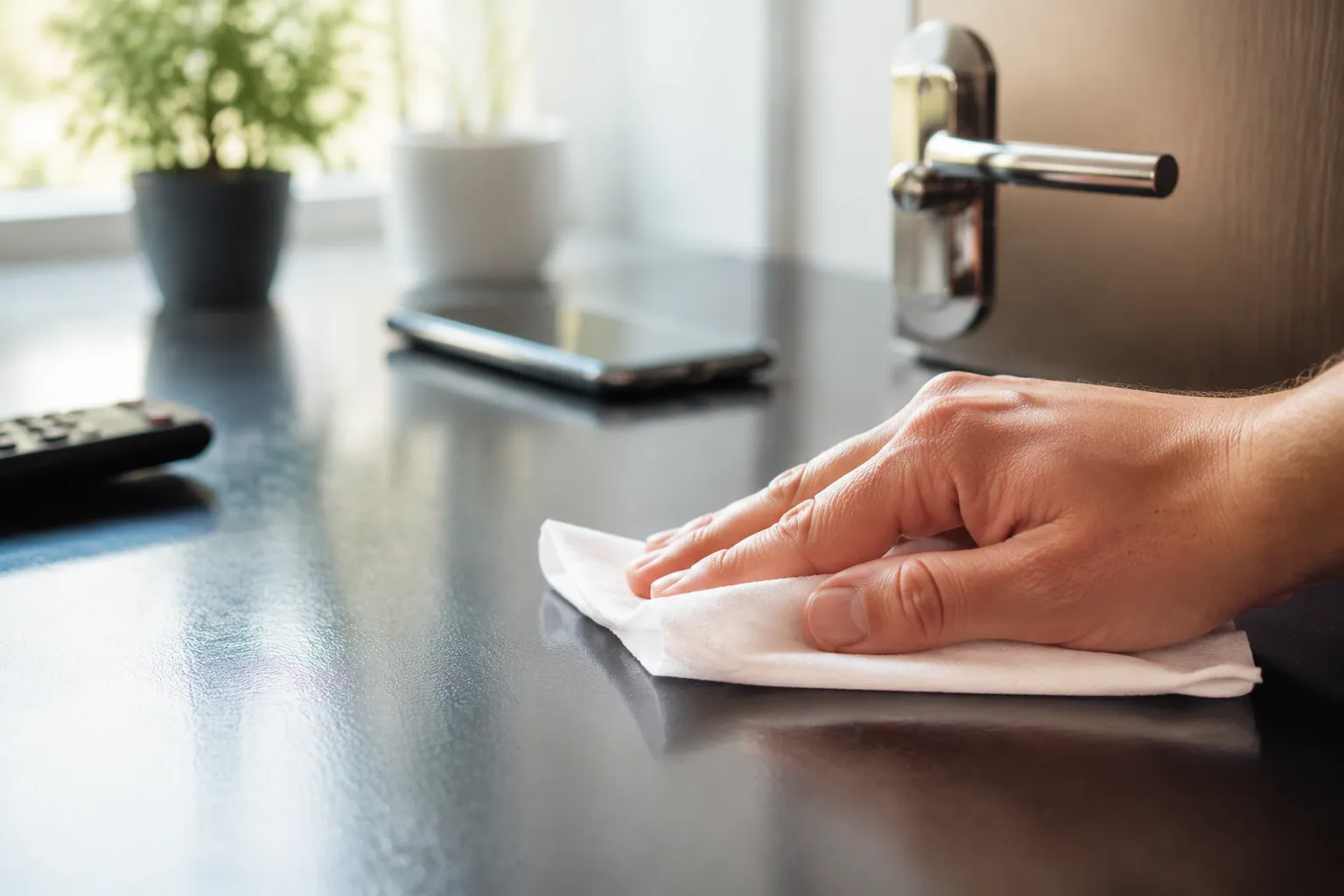
How long does the pink eye virus stay on surfaces is one of the first questions people ask after someone at home, school, or work develops viral pink eye. The simple answer is that the pink eye virus on surfaces can survive from several hours to a few days in many everyday situations, while some viruses linked to viral conjunctivitis, especially adenovirus, may remain viable much longer under certain conditions.
That does not mean every touched surface will automatically infect someone. The real risk depends on the surface type, amount of eye discharge, moisture, cleaning habits, and whether someone touches the contaminated object and then touches their eyes. This guide explains how long pink eye lives on surfaces, which household items matter most, how contagious pink eye is, and how to clean your home without panic.
Quick Answer: How Long Does the Pink Eye Virus Stay on Surfaces?
In most household situations, viral pink eye germs may survive on surfaces for hours to several days. Many common estimates place survival around 24–48 hours, especially on frequently touched surfaces like doorknobs, phones, light switches, faucets, and countertops. However, some forms of adenovirus, a common cause of viral conjunctivitis, can survive longer in controlled conditions, with medical sources and studies often discussing survival for up to 2 weeks or even several weeks in certain environments.
The most important point is this: surface survival is not the same as guaranteed infection. For pink eye to spread from a surface, infectious particles usually need to move from eye fluids or contaminated hands onto an object, then from that object to another person’s hands, and finally into the eyes.
| Surface or Item | General Risk Level | Why It Matters |
| Hard surfaces like plastic, metal, and glass | Medium to high | Germs may remain transferable longer |
| Towels and washcloths | High | They touch the face and eyes directly |
| Pillowcases and bedding | Medium to high | Close contact during sleep |
| Phones and tablets | Medium | Frequent hand and face contact |
| Eye makeup and contact lens cases | High | Direct contact with the eye area |
| Cleaned and disinfected surfaces | Low | Proper cleaning greatly reduces risk |
So, if you are asking how long does pink eye live on surfaces, the safest practical answer is: treat contaminated surfaces as risky for at least a day or two, clean high-touch areas often, and be extra careful with personal items that touch the eyes.
What Is Pink Eye and Why Does It Spread So Easily?
Pink eye, also called conjunctivitis, happens when the conjunctiva becomes inflamed. The conjunctiva is the thin, clear tissue that covers the white part of the eye and lines the inside of the eyelid. When it becomes irritated or infected, the eye may look red or pink, feel gritty, burn, itch, water, or produce discharge.
Viral conjunctivitis is often caused by adenovirus, the same broad family of viruses that can be linked with cold-like symptoms such as a runny nose, sore throat, or cough. This is one reason viral pink eye spreads so easily in schools, daycare centers, workplaces, and busy households.
The virus spreads mainly through direct contact, indirect contact, and sometimes respiratory droplets. A person may rub an infected eye, get virus-containing eye secretions on their fingers, touch a towel or phone, and then another person may touch that same object and rub their own eye.
This type of spread is called fomite transmission, which means germs move through contaminated objects or surfaces. In simple terms, pink eye often spreads because people touch their eyes more than they realize.
Which Types of Pink Eye Are Actually Contagious?
Not every red or irritated eye is contagious. Understanding the difference between viral vs bacterial vs allergic conjunctivitis helps you know how worried you should be about surfaces.
Viral pink eye is usually highly contagious. It often causes watery discharge, redness, irritation, and sometimes cold-like symptoms. Because adenovirus can survive outside the body, viral pink eye is the type most closely connected with questions about viral conjunctivitis surface survival.
Bacterial pink eye can also be contagious. It may cause thicker yellow-green discharge, crusting, or eyelids that feel stuck together in the morning. Some bacterial infections improve after treatment with antibiotic drops, but a healthcare provider should decide whether antibiotics are needed.
Allergic pink eye is not contagious. It is usually caused by pollen, pet dander, dust mites, mold, or other allergens. It often affects both eyes and causes itching, watering, and irritation.
Irritant pink eye is also not contagious. It may happen after exposure to smoke, chlorine, harsh chemicals, air pollution, or cleaning products.
This distinction matters because people often ask, “Is pink eye contagious?” The answer is: viral and bacterial pink eye can spread, but allergic and irritant pink eye do not spread from person to person.
How Pink Eye Spreads from Surfaces to Your Eyes
Pink eye usually spreads through a simple chain of contact. First, someone with infectious pink eye touches or rubs their eye. Next, contaminated hands touch a surface such as a doorknob, phone screen, towel, faucet, toy, remote control, or pillowcase. Then another person touches that item and later touches their own eye.
This is why hand-to-eye contact is so important. The virus does not usually jump from a counter into your eye. It needs help, and hands are often the bridge.
Common spread routes include:
- Sharing towels, washcloths, or pillowcases
- Touching contaminated phones, toys, or light switches
- Sharing eye makeup, makeup brushes, or eye drops
- Handling contact lenses or contact lens cases with unwashed hands
- Touching eye discharge and then touching household items
Children are especially likely to spread pink eye because they touch their faces often, share toys, and may not wash their hands thoroughly. In families, one child with viral pink eye can quickly expose siblings through shared bathrooms, bedding, and toys.
The best prevention step is not extreme cleaning. It is consistent hand hygiene, avoiding shared personal items, and cleaning the surfaces most likely to collect germs.
Hard Surfaces vs Soft Surfaces: Where Pink Eye Lasts Longer
A major question is whether pink eye germs live longer on plastic or fabric. In general, hard non-porous surfaces such as plastic, glass, stainless steel, and metal may allow viruses to remain transferable longer than soft, absorbent materials. These surfaces do not soak up moisture quickly, so infectious particles may stay available on the surface.
Examples of hard surfaces include:
- Phones
- Tablets
- Doorknobs
- Light switches
- Counters
- Faucets
- Remote controls
- Keyboards
- Eyeglass frames
Soft surfaces and porous surfaces include fabric, towels, pillowcases, clothing, paper, cardboard, and some soft toys. These may dry out faster, but they still matter because they often touch the face directly. A towel or pillowcase with fresh eye discharge can be riskier than a dry countertop because it has close contact with the eyes.
Environmental conditions also matter. Cool dry conditions, surface texture, humidity, sunlight exposure, and how recently the surface was contaminated can all affect virus survival. The safest approach is to focus on objects that are both frequently touched and close to the eyes.
How Long Pink Eye Germs Live on Common Household Items
When people ask how long do pink eye germs live on doorknobs, toys, and towels, they usually want practical household guidance. The exact time can vary, but the following table gives a useful risk-based view.
| Household Item | Risk Level | What to Do |
| Towels and washcloths | High | Use separate towels and wash after use |
| Pillowcases and bedding | Medium to high | Change pillowcases often and wash bedding |
| Phones and tablets | Medium | Wipe regularly, especially after touching eyes |
| Doorknobs and faucets | Medium | Disinfect daily during active infection |
| Toys and stuffed animals | Medium | Wash or wipe, especially shared toys |
| Eye makeup | High | Replace mascara, eyeliner, and contaminated brushes |
| Contact lens cases | High | Replace or disinfect as advised by an eye doctor |
| Glasses and sunglasses | Medium | Clean frames and lenses carefully |
| Remote controls and keyboards | Medium | Wipe high-touch areas |
| Paper and cardboard | Lower to medium | Avoid sharing tissues, notes, or paper touched after rubbing eyes |
If you are wondering can pink eye live on towels, the concern is not only survival time. Towels touch the face, absorb eye fluids, and are often shared in bathrooms. The same applies to pillowcases, which sit close to the eyes for hours.
For phones, the concern is frequent hand contact. Many people touch their phone after rubbing their eyes, then bring the phone near their face again. Cleaning your phone screen and washing your hands can break that cycle.
How Long Is Pink Eye Contagious Compared with Surface Survival?
How long is pink eye contagious is related to surface survival, but it is not the same question. Surface survival asks how long germs may remain on an object. Contagiousness asks how long a person can spread infection.
With viral pink eye, a person may be contagious while symptoms are active, especially when there is watery discharge, tearing, and frequent eye rubbing. Many sources commonly discuss viral pink eye as contagious for around 10–14 days, though some cases may last longer. The incubation period can also vary, meaning symptoms may appear after exposure rather than immediately.
With bacterial pink eye, contagiousness may drop after 24 hours after antibiotics, but this depends on the cause and the treatment plan. Untreated bacterial pink eye may remain contagious while discharge is present.
The key difference is this: a person may still be spreading pink eye even if a surface has been cleaned, and a surface may still be contaminated even if the person has started feeling better. That is why prevention should combine handwashing, surface cleaning, and avoiding shared personal items until symptoms improve.
Can You Reinfect Yourself from Surfaces After Pink Eye?
Yes, it is possible to keep irritating or re-exposing your eyes if contaminated personal items are reused too soon. This is why many people search can you reinfect yourself with pink eye from surfaces.
The biggest reinfection risks are items that touch the eyes directly. These include mascara, eyeliner, makeup brushes, eye creams, contact lenses, contact lens cases, and eyedrop bottles. If these items were used while symptoms were active, they may carry germs back to the eye area.
Pillowcases, towels, washcloths, and glasses can also contribute to continued spread if they are not cleaned. The goal is not to throw away everything in your home. The goal is to handle eye-related items carefully.
A practical rule is: wash fabric items, disinfect hard items, and replace disposable eye products. Do not share towels, makeup, contact lens products, or eye drops with anyone else. If you wear contacts and develop pink eye, stop wearing them and ask an eye doctor, optometrist, or ophthalmologist when it is safe to start again.
How to Disinfect Surfaces After Pink Eye
Knowing how to disinfect after pink eye helps reduce household spread without unnecessary stress. The best method is to clean first, then disinfect. Cleaning removes visible dirt, oils, and eye discharge residue. Disinfecting helps kill remaining germs.
Focus on high-touch surfaces rather than trying to sanitize every inch of the house. Clean doorknobs, bathroom faucets, toilet handles, light switches, phones, remote controls, counters, toys, and shared desks.
Use disinfectant wipes or household disinfectants according to the product label. Many people spray and wipe immediately, but disinfectants often need enough wet contact time to work. That means the surface should stay wet for the amount of time listed on the label.
For hands, wash with soap and water for at least 20 seconds, especially after touching the eyes, using eye drops, handling tissues, or helping a child clean their face. Alcohol-based hand sanitizer can help when soap and water are not available, but handwashing is especially useful when hands are visibly dirty.
For laundry, wash towels, washcloths, pillowcases, and bedding with detergent. Hot water and dryer heat may help, but the most important thing is not sharing contaminated items while infection is active.
What Should You Wash, Replace, or Stop Sharing After Pink Eye?
After pink eye, many people wonder what needs to be washed, disinfected, replaced, or avoided. A simple system works best.
| Action | Items |
| Wash | Towels, washcloths, pillowcases, sheets, blankets, clothes |
| Disinfect | Phones, glasses, doorknobs, faucets, counters, toys, keyboards |
| Replace | Mascara, eyeliner, disposable contacts, possibly contaminated eye drops |
| Stop sharing | Towels, pillows, makeup, eye drops, contact lens products |
If you are asking should you wash bedding after pink eye, the answer is yes. Change pillowcases often and wash bedding that may have touched eye discharge. If you are asking can pink eye live on towels after washing, proper laundering with detergent greatly reduces the risk, especially when towels are not shared during active infection.
Eye makeup deserves special care. Mascara and eyeliner can touch the eye area directly and may become contaminated. When in doubt, replacing them is safer than reusing them and risking recurrence.
Contact lens wearers should be extra cautious. Pink eye with contact lens use can sometimes signal a more serious problem, so it is wise to get medical advice before reusing lenses or a lens case.
When Can Kids Return to School or Adults Return to Work?
Return-to-school and return-to-work decisions depend on symptoms, local policy, and how well the person can avoid spreading germs. Many schools and daycare centers have their own pink eye policy, so parents should check with the school or childcare provider.
A child may need to stay home if they have fever, heavy discharge, eye pain, worsening symptoms, or cannot avoid touching and rubbing their eyes. In close settings like daycare centers, pink eye can spread quickly through toys, towels, shared tables, and hand-to-eye contact.
Adults should use similar judgment for work. If symptoms are mild and hygiene can be maintained, some people may return while being careful not to share towels, cosmetics, or personal items. But if discharge is heavy or frequent eye touching is unavoidable, staying home may reduce spread.
For bacterial pink eye, some policies mention returning after 24 hours after antibiotics, but this does not apply to viral pink eye because antibiotics do not treat viruses. The safest guidance is symptom-based and policy-based.
When to See an Eye Doctor for Pink Eye
Most mild cases of pink eye improve with basic care, but some symptoms need medical attention. See an eye doctor, healthcare provider, optometrist, or ophthalmologist if you have eye pain, vision changes, strong light sensitivity, severe redness, swelling around the eye, or symptoms that worsen instead of improving.
You should also seek care if the person with pink eye is a newborn, a young baby, immunocompromised, or a contact lens wearer. Contact lens users have a higher concern for corneal infections, which can be more serious than ordinary conjunctivitis.
Medical care is also important if discharge is thick, persistent, or accompanied by fever, or if only one eye is severely painful. A doctor can help determine whether the cause is viral, bacterial, allergic, or something else.
As one practical eye-care rule says: “Redness with pain, light sensitivity, or vision change should not be treated as simple pink eye.” When those symptoms appear, it is better to be cautious.
FAQs About Pink Eye on Surfaces
Can pink eye live on a pillowcase?
Yes, pink eye germs can contaminate a pillowcase, especially if eye discharge touches it during sleep. Change pillowcases often during active infection and wash them with regular laundry detergent.
Can pink eye live on a phone screen?
Yes, a phone can carry germs if touched after rubbing infected eyes. Clean the screen and case regularly, and wash your hands before touching your face.
Does pink eye die when surfaces dry?
Drying can reduce germ survival, but it does not instantly make every surface safe. Some viruses, especially adenovirus, may remain viable longer than expected. Cleaning and handwashing are more reliable than waiting.
Does hand sanitizer kill pink eye germs?
Alcohol-based hand sanitizer can reduce many germs, but soap and water are best when hands are visibly dirty or contaminated with eye discharge. Wash for at least 20 seconds.
Can pink eye spread before symptoms?
It may be possible to spread some infections around the time symptoms begin, depending on the virus and exposure. Because incubation periods vary, good hygiene matters even before symptoms are obvious in a household outbreak.
Can pink eye spread from one eye to the other?
Yes. This often happens through self-inoculation, meaning you touch the infected eye and then touch the other eye. Wash hands often and avoid rubbing your eyes.
Do you need to disinfect your whole house after pink eye?
No. Focus on high-touch surfaces and personal items: towels, pillowcases, phones, doorknobs, faucets, eye makeup, glasses, and contact lens products.
Conclusion
So, how long does the pink eye virus stay on surfaces? In many real-life situations, the answer is several hours to a few days, with 24–48 hours being a practical cleaning window for many household surfaces. However, adenovirus linked to viral conjunctivitis can survive longer under certain conditions, so it is smart to take prevention seriously.
The best approach is simple: wash hands often, avoid touching or rubbing the eyes, do not share towels or eye products, clean high-touch surfaces, wash pillowcases and towels, and replace contaminated eye makeup or contact lens items. You do not need to panic-clean your whole home. Focus on the surfaces and personal items most likely to spread pink eye germs, and get medical care if symptoms are painful, severe, or affecting vision.
Disclaimer: This article is for general informational and educational purposes only and does not constitute medical, ophthalmologic, or healthcare advice. Pink eye (conjunctivitis) can have different causes, and transmission risks may vary. Consult a qualified healthcare professional for diagnosis, treatment, or concerns about contagiousness, symptoms, vision changes, or eye health.