
 By adnanshabbir942@gmail.com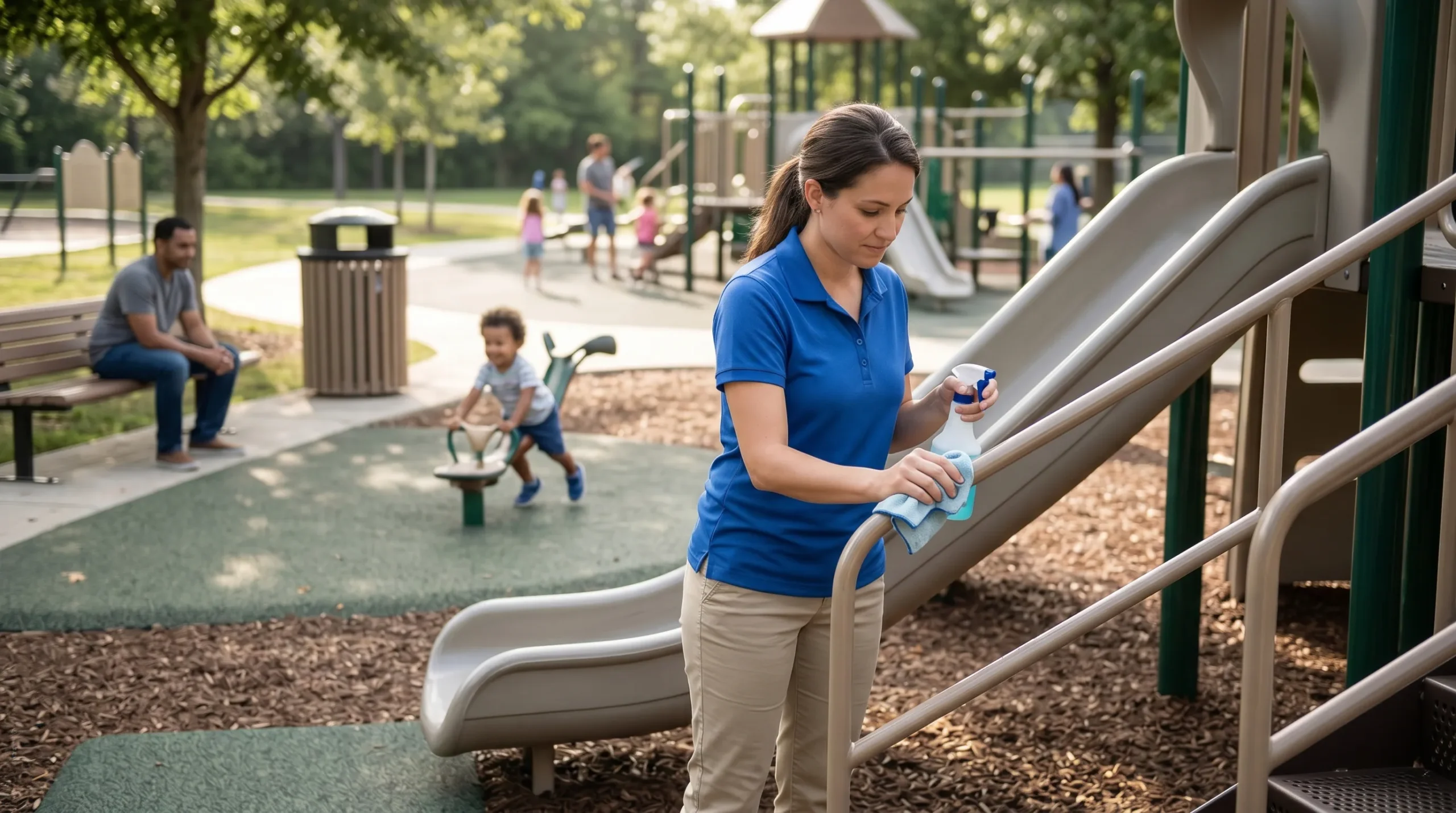
How To Keep The Playground Clean
A clean playground is not just a nicer place to play. It is a safer, healthier, and more usable space. When people ask how to keep the playground clean, they usually think about trash on the ground or sticky handprints on rails. Those things matter, but the real answer is broader. A clean playground depends on daily habits, smart layout choices, correct cleaning methods, good drainage, surface care, and shared rules that children and adults can actually follow. That wider view matches current safety guidance better than the usual one-note advice. The CPSC’s handbook puts strong emphasis on maintenance, supervision, and protective surfacing, while CDC guidance separates routine cleaning from the more limited cases where sanitizing or disinfecting is needed.
The mistake many sites make is treating cleanliness as a janitor’s job alone. In practice, playground cleanliness is a design problem, an operations problem, and a community behavior problem. If bins are missing, if mulch is thin under swings, if water pools after rain, or if no one owns the inspection routine, the area will look dirty again no matter how often someone wipes a slide. The strongest playgrounds stay clean because the system makes the right behavior easy and the wrong behavior inconvenient.
Why Cleanliness Matters More Than Most People Think
A dirty playground is not just unattractive. It can increase the chance of slips, trip hazards, surface deterioration, pest activity, and avoidable exposure to germs. The CPSC handbook stresses that playground safety depends on both equipment and the overall play area, and it specifically ties safe outcomes to installation and maintenance of protective surfacing. That matters because the dirtiest-looking playground is not always the most dangerous one; sometimes the bigger risk is hidden in compacted loose-fill, pooling water, broken drainage, or debris buried in surfacing.
There is also a practical public-health point. CDC guidance says that in most facilities, regular cleaning is generally enough, rather than constant disinfection. That is an important distinction because many people waste time spraying everything while ignoring the dirt, food residue, mud, and standing water that make a playground feel neglected and wear it down faster. Clean first, always. Then sanitize or disinfect only where the setting, contamination event, or product instructions justify it.
Cleanliness also changes behavior. Families are more likely to use a playground respectfully when it already looks cared for. Overflowing bins, graffiti, wrappers, and muddy pooling send the opposite message. In park operations, appearance becomes a cue: when a place looks unmanaged, littering rises because users assume no one is paying attention. That is why the best litter-control strategies combine bin placement, visibility, fast emptying, and simple signage, not moral lectures.
Start With A Clean-By-Design Layout
The cleanest playgrounds are often the ones that require the least heroic effort. That starts with layout. Put trash and recycling receptacles where people naturally stop: near entrances, benches, picnic edges, and exits. If bins are tucked into a corner, people will miss them or ignore them. If they are too few, overflow becomes the real source of litter. Maintenance checklists routinely flag missing receptacles and full bins as correctable problems because they are such a direct cause of mess.
Drainage is another overlooked issue. A playground with poor drainage never feels clean for long. Water carries dirt into low spots, turns loose surfacing into clumps, and creates mud around slide exits, swings, and entrances. Health and safety checklists commonly include a check for drainage problems or pooling water because standing water creates both cleanliness and hazard issues. If you want a cleaner playground, fix the water path before you buy more cleaning supplies.
Material choice matters too. Plastics, coated metals, ropes, engineered wood fiber, and poured surfacing do not all respond the same way to scrubbing, moisture, or chemical exposure. The CPSC handbook notes the role of ASTM standards in playground equipment and surfacing, and that is a reminder not to improvise aggressively with harsh products or high-pressure methods that can damage finishes or affect performance. In other words, a playground can be made less safe by an overzealous cleaning routine.
Build A Daily, Weekly, And Monthly Routine
One of the simplest ways to keep the playground clean is to stop treating cleaning as a random task. Give it a rhythm. A good routine is not glamorous, but it works better than occasional deep cleans.
Daily, do the fast visual checks. Look for litter, broken glass, animal waste, pooled water, food scraps, and obvious hazards. Check whether bins are full. Scan entry points and high-contact zones such as rails, grab bars, and play panels. These are the exact kinds of items repeated across playground maintenance checklists because they are visible, frequent, and easy to correct before they become a bigger problem.
Weekly, handle the deeper operational layer. Rake and level loose-fill where it has migrated, especially under swings and slide exits. Remove embedded debris. Wash the surfaces that collect grime. Inspect benches, fences, and signage. Review whether bins are enough for actual traffic, not just for the original design assumption. This is where many playgrounds fail: the space is technically cleaned, but the system is not adjusted to real use.
Monthly or seasonally, do the bigger reset. Deep-clean equipment with a product appropriate for the material, check drainage after rainfall, inspect painted and wooden elements, and document repairs. Some manufacturer guidance recommends routine cleaning with nontoxic, playground-safe products, then deeper cleaning during lower-use periods such as breaks. That is sensible because it reduces accumulated dirt without turning every day into a chemical-heavy operation.
The contrarian point here is useful: a playground usually gets cleaner not when you add more products, but when you add more consistency. Predictable maintenance beats dramatic cleanup days.
Clean Equipment The Right Way, Not The Aggressive Way
For most hard surfaces, CDC guidance says to clean with soap and water or a cleaner appropriate for the surface. That should be the foundation of playground cleaning too. Dust, dirt, sticky residue, sunscreen buildup, spilled drinks, mud, and bird droppings respond first to ordinary cleaning. Disinfecting without removing the grime underneath is sloppy work dressed up as hygiene.
When disinfection is needed, the sequence matters. CDC says to clean first, then use an EPA-registered disinfectant or a properly diluted bleach solution, following label directions and safe handling practices. It also advises storing chemicals out of children’s reach and washing hands with soap and water after use. Those details matter on playgrounds because these spaces combine heavy touching with child exposure.
Do not assume “stronger” means “better.” Several playground-cleaning guides caution against overly abrasive tools and harsh methods that can scratch clear surfaces, affect coatings, or damage equipment finishes. Low-pressure rinsing and material-safe cleaners are usually the smarter choice. On outdoor structures, you are preserving the playground while you clean it.
A practical rule works well here:
Clean for appearance and soil removal often.
Sanitize or disinfect for specific risk or specific contamination when appropriate.
That approach is closer to CDC logic than the endless-spraying habit many people learned during pandemic years.
Pay Special Attention To Surfacing And Ground Conditions
If you want a playground to stay clean, stop focusing only on the equipment and start looking down. Ground conditions are where cleanliness and injury prevention meet. The CPSC handbook emphasizes protective surfacing because falls are a major playground hazard, and maintenance checklists repeatedly call for enough surfacing under and around equipment, especially in heavy-use zones.
Loose-fill surfaces such as engineered wood fiber, sand, or similar materials need regular attention. They collect leaves, wrappers, stones, and foreign objects. They also thin out where children land most often. If you only remove visible trash but ignore depth loss and compaction, the playground may look acceptable while becoming less safe. That is why weekly raking, topping up, and debris removal are more valuable than many people realize.
Standing water should be treated as a maintenance signal, not just a weather inconvenience. It dirties shoes, tracks mud onto equipment, degrades the play experience, and can indicate grading or drainage problems. A truly clean playground dries well, sheds water well, and does not trap debris after every rain.
Use Behavior Cues That Reduce Litter Before It Starts
The best litter plan is the one that keeps trash from hitting the ground. That sounds obvious, but most playgrounds still rely on cleanup instead of prevention. Small cues work. Put bins where families naturally leave snack wrappers. Add a sign near benches rather than next to the slide tower. Make the message short and specific. “Please use bins” is weaker than “Help keep this play area safe and clean.”
A useful habit is to make cleanliness part of the exit routine. Schools, daycares, and organized groups can do a 30-second leave-clean check before everyone goes back inside. Parents can do the same with one sentence: “Nothing leaves your hand unless it goes in a bin.” These are not official standards; they are practical behavior tools. They work because they connect clean play spaces to ownership, not punishment.
Children also respond better to participation than scolding. A rotating “playground helper” role, a visible cleanup caddy for staff, or a short post-recess scan can keep a site cleaner with almost no budget. The missing angle in many competitor-style articles is this: clean playgrounds are social systems. The cleaning schedule matters, but the culture matters too.
Do Not Ignore Animal Waste, Food Residue, And Seasonal Debris
Some messes deserve faster action than ordinary litter. Animal waste should be removed promptly and safely. Food scraps should not be allowed to accumulate under benches, around picnic edges, or near borders because they attract pests and make the space smell neglected. Fallen leaves and wet organic debris can also make surfaces slippery or hide glass and sharp objects. Maintenance checklists commonly call for areas to be free of debris, litter, or animal waste for exactly these reasons.
Seasonality changes the cleaning plan. In dry months, dust control and wiping may matter more. In rainy periods, drainage and mud control become the priority. In autumn, leaf buildup can bury hazards. In school settings, breaks are a good time for deeper cleaning because equipment can be washed, inspected, and repaired without constant foot traffic.
Create A Simple Playground Cleaning Checklist
A useful checklist should be short enough to use and strong enough to catch problems early. It should include:
Check for litter, glass, animal waste, and overflowing bins.
Scan for pooled water, mud, and drainage issues.
Wipe or wash high-touch surfaces with a surface-appropriate cleaner.
Inspect surfacing depth, debris in loose-fill, and worn landing zones.
Confirm signage, fences, benches, and trash receptacles are in good condition.
Record anything that needs repair or follow-up.
That structure matches the best parts of real maintenance documents: visible hazards first, operational causes second, recordkeeping last. The recordkeeping part is easy to skip, but it is what turns a repeating mess into a fixable pattern.
What Most Articles Miss About Keeping A Playground Clean
Most articles frame cleanliness as a cosmetic issue. It is not. It is a safety input, a maintenance signal, and a behavior cue. The deeper lesson from CPSC and CDC guidance is that the best playgrounds are not the ones sprayed most often. They are the ones that are maintained intelligently, cleaned appropriately, drained properly, and used respectfully.
Final Words
If you want to know how to keep the playground clean, think beyond sweeping and wiping. Start with a layout that makes litter less likely. Use soap-and-water cleaning as the routine base. Disinfect only when it makes sense. Keep bins visible and emptied. Watch the surfacing, not just the slide. Fix drainage before buying stronger chemicals. And make every visit end with one small act of care. A playground stays clean when the space, the routine, and the people all work together.
Disclaimer:
This article is for general informational and playground maintenance guidance purposes only. Cleaning needs, safety requirements, and results may vary depending on the playground’s location, materials, usage, weather, and local rules. Always follow manufacturer instructions, approved cleaning products, and relevant safety guidelines when maintaining playground equipment.