
 By adnanshabbir942@gmail.com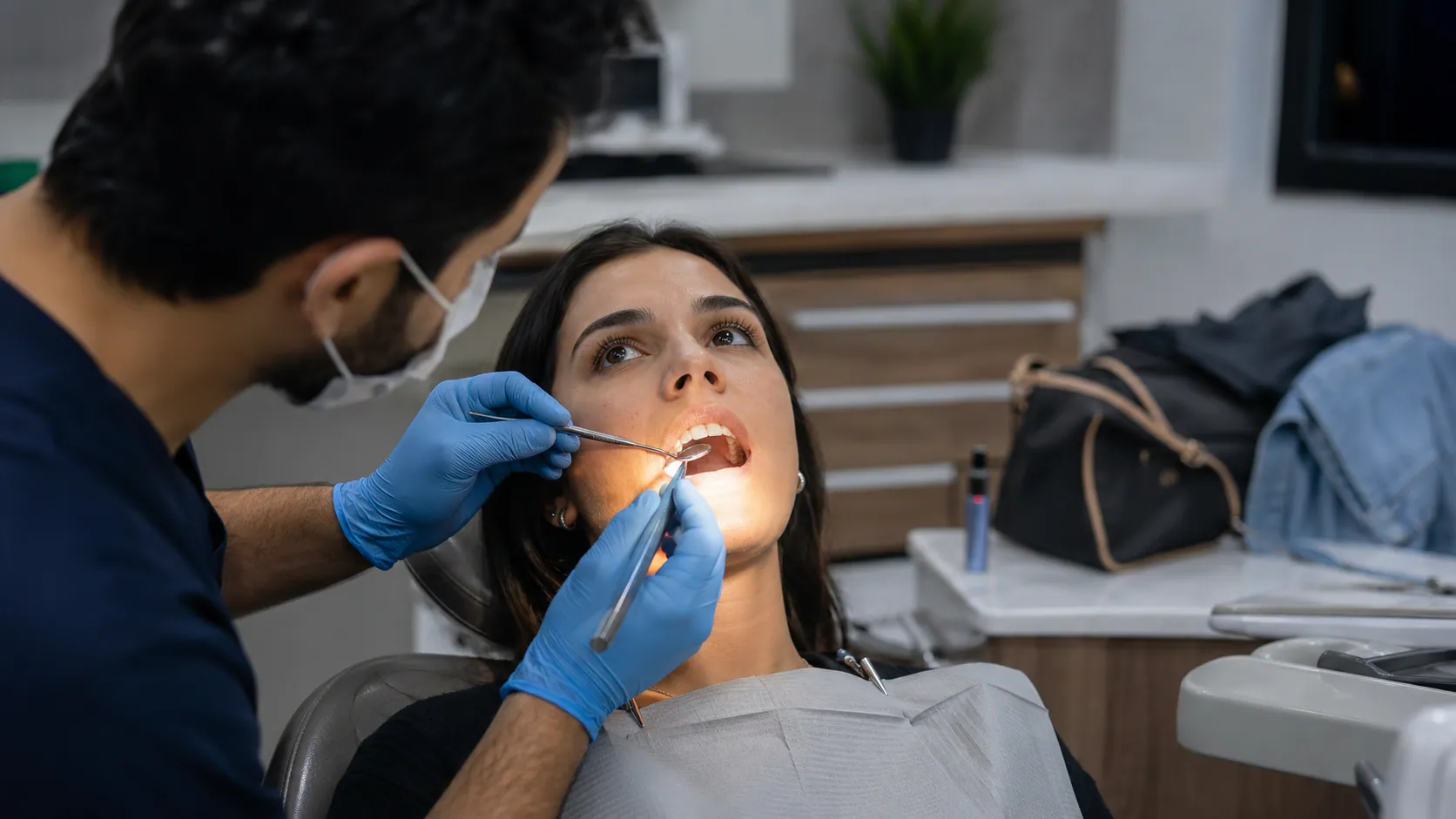
Introduction: Can a Dentist Tell If You Vape During a Checkup?
Yes, a dentist may be able to tell, especially if you vape often or have been vaping for a long time. A single sign may not prove anything, but regular vaping can leave oral signs that dentists are trained to notice during a routine checkup.
This does not mean your dentist is trying to embarrass you or catch you doing something wrong. A dental visit is not about judgment. It is about understanding what may be affecting your teeth, gums, breath, saliva, enamel, and mouth tissues so your dentist can give you safer and more useful care.
Vaping may contribute to dry mouth, gum irritation, plaque buildup, bad breath, enamel stress, tooth sensitivity, and soft-tissue changes inside the mouth. Some of these signs can also happen for other reasons, such as dehydration, certain medicines, mouth breathing, diet, or poor oral hygiene. That is why dentists usually do not rely on one clue. They look at the full pattern of your oral health.
Being honest about vaping helps your dentist protect your mouth better. For example, they may check your gums more closely, recommend ways to manage dry mouth, watch for early cavity risk, or give specific advice before dental work. If you vape regularly, telling your dentist can help them personalize your care instead of guessing what may be causing certain changes.
In short, dentist checkup vaping signs are not always obvious or automatic, but they can appear over time. The more open you are about your habits, the easier it is for your dentist to spot problems early and help keep your teeth and gums healthy.
Yes, But Dentists Usually Look for Patterns
Can dentists know if you vape? Sometimes they can strongly suspect it, but they usually cannot know with 100% certainty from one appointment alone. A dentist may notice certain changes during a vaping dental exam, but those signs do not always point to vaping by themselves.
For example, occasional vaping may leave very few obvious signs, especially if your oral hygiene is good and you do not have dry mouth, gum irritation, or plaque buildup. Someone who vapes once in a while may not show the same mouth changes as someone who vapes daily.
Regular vaping, however, can create more noticeable oral health patterns. A dentist may see dry mouth, gum redness, increased plaque, bad breath, tooth discoloration, enamel concerns, or irritated mouth tissues. These may be signs you vape, but they can also happen for other reasons.
That is why dentists look at the full picture. Dry mouth may come from vaping, but it can also be caused by dehydration, medications, mouth breathing, stress, or certain health conditions. Gum irritation may be linked to vaping, but it can also come from poor brushing habits, smoking, diet, or plaque that has been sitting along the gumline for too long.
The honest answer is this: a dentist can often see signs that suggest vaping, especially with regular use, but they usually confirm by asking health-history questions. They may ask whether you vape, how often you use it, whether it contains nicotine, and whether you have noticed symptoms like bad breath, bleeding gums, dry mouth, or tooth sensitivity.
Being truthful helps your dentist give better care. Instead of guessing, they can explain what they are seeing, help lower your risk of cavities or gum problems, and recommend practical steps to protect your teeth and gums.
What Signs Can a Dentist See If You Vape?
A dentist may notice several vaping signs in the mouth, especially if vaping is frequent. These signs do not always prove that someone vapes, but together they can create a pattern that makes a dentist ask more questions during the exam.
One of the most common signs is dry mouth from vaping. Saliva plays an important role in protecting your teeth because it helps wash away food particles, control bacteria, and neutralize acids. When the mouth becomes too dry, plaque can build up more easily, breath may smell worse, and the risk of cavities can increase.
Dentists may also look for gum inflammation from vaping. This can show up as red, swollen, tender, or irritated gums. In some people, the gums may bleed when brushing, flossing, or during a dental cleaning. Gum problems can happen for many reasons, but vaping may add to irritation, especially when combined with plaque buildup or poor oral hygiene.
Another sign is increased plaque or tartar buildup. Plaque is a sticky film of bacteria that forms on the teeth. If it is not removed well, it can harden into tartar, especially near the gumline. Some vape liquids may leave a sticky feeling in the mouth, and when dry mouth is also present, plaque can become harder to control.
A dentist may also notice tooth discoloration or residue near the gumline. Vaping usually does not stain teeth the same way cigarette smoke does, but nicotine, flavorings, dry mouth, and plaque buildup may still affect how the teeth look over time. Some patients may develop dullness, yellowing, or visible buildup around the lower front teeth or along the gums.
Bad breath is another possible clue. When saliva levels drop, odor-causing bacteria can grow more easily. Vaping flavors may temporarily cover bad breath, but they do not fix the underlying dryness or bacterial buildup that can cause it.
Dentists may also watch for more cavities, enamel concerns, or tooth sensitivity. A dry mouth creates a less protective environment for the teeth. Over time, this may make enamel more vulnerable to acid attacks and decay. If a patient has new cavities often, the dentist may ask about diet, oral hygiene, medications, dry mouth, and vaping habits.
Some people who vape may experience mouth sores, irritation, or sensitive soft tissues. The cheeks, tongue, gums, roof of the mouth, or throat may feel dry, tender, or irritated. If a sore does not heal, changes color, bleeds, or lasts more than two weeks, it should be checked by a dentist or medical professional.
Dentists may also hear patients mention tongue changes, taste changes, or “vaper’s tongue.” This can feel like a reduced ability to taste flavors, a coated tongue, dryness, or a strange taste in the mouth. It is not always serious, but it can be linked with dryness, irritation, flavoring exposure, or oral hygiene issues.
Another important sign is delayed healing after dental work. If someone has had a tooth extraction, gum treatment, dental implant, or oral surgery, vaping may irritate tissues and make healing more difficult. This is especially important if the vape contains nicotine, because nicotine can affect blood flow and tissue repair.
Overall, the most common dentist signs of vaping include dry mouth, gum irritation, plaque buildup, bad breath, tooth changes, soft-tissue irritation, and slower healing. A dentist usually looks at these signs together, then asks health-history questions to understand what may be causing them.
Why Vaping Can Cause Dry Mouth and Bad Breath
Vaping dry mouth is one of the most common oral signs a dentist may notice. Many vape liquids contain ingredients such as propylene glycol and vegetable glycerin, which can contribute to mouth dryness from vaping. These ingredients may make the mouth feel sticky, dry, or coated, especially when vaping is frequent.
Saliva is more important than many people realize. It helps wash away food particles, control bacteria, neutralize acids, and protect tooth enamel. When saliva flow drops, the mouth loses part of its natural defense system. This can make it easier for plaque to stick to the teeth and gumline.
Less saliva may also lead to vape bad breath. A dry mouth allows odor-causing bacteria to grow more easily, especially on the tongue, between the teeth, and around the gums. Some vape flavors may temporarily cover the smell, but they do not fix the dryness or bacterial buildup underneath.
Dry mouth can also increase vaping cavity risk. When saliva cannot neutralize acids as well, enamel may become more vulnerable over time. This does not mean every person who vapes will get cavities, but it does mean regular vaping can create conditions that make tooth decay more likely, especially if brushing, flossing, hydration, or dental visits are inconsistent.
Drinking water can help reduce dryness and rinse the mouth, but it does not completely erase vaping-related dry mouth. A helpful habit is to sip water often, avoid vaping right before bed, brush with fluoride toothpaste, and clean between the teeth daily.
You should talk to your dentist if your mouth feels dry often, your breath stays unpleasant even after brushing, your tongue feels coated, your gums bleed, or you keep getting new cavities. A dentist can check your saliva, gums, enamel, and plaque levels, then suggest practical ways to protect your mouth.
How Vaping Affects Your Gums
Vaping can affect your gums in ways a dentist may notice during a routine exam. Healthy gums usually look firm and pink, but vaping inflamed gums may appear red, puffy, tender, or irritated. In some cases, the gums may bleed during brushing, flossing, or a professional cleaning.
One concern is nicotine. If the vape contains nicotine, it may affect blood flow in the gum tissues. This matters because healthy blood flow helps the gums receive oxygen and nutrients. In some people, nicotine may also make gum bleeding less obvious, which can hide early warning signs. So even if your gums are not bleeding much, that does not always mean they are completely healthy.
Vaping may also contribute to inflammation and changes in the oral microbiome, which is the community of bacteria and other microorganisms that live in the mouth. A balanced oral microbiome helps protect the teeth and gums. When that balance changes, harmful bacteria may become easier to grow, especially when dry mouth and plaque buildup are also present.
The connection between vape and gums becomes more concerning when plaque collects around the gumline. Plaque is a sticky film of bacteria. If it is not removed well, it can irritate the gums and harden into tartar. Once tartar forms, it usually needs to be removed by a dental professional. Over time, this irritation may increase the risk of vaping gum disease or make existing gum problems worse.
Early signs of gum disease can include bleeding gums, gum recession, tooth sensitivity, persistent bad breath, swollen gums, and teeth that feel slightly loose. Gum recession from vaping is not always direct or immediate, but habits that increase dryness, plaque, inflammation, and delayed healing may raise the risk of gum problems over time.
Dental organizations and research reviews have linked nicotine and tobacco-related products with higher risks for gum disease and other oral health damage. Vaping is still being studied, especially for long-term effects, but dentists already know that dry mouth, plaque buildup, nicotine exposure, and gum inflammation are not good signs for oral health.
If you vape and notice gum bleeding, soreness, recession, or bad breath that does not improve, it is worth telling your dentist. They can measure your gum pockets, check for tartar, look for early periodontal disease vaping concerns, and suggest a care plan before the problem becomes more serious.
Can Vaping Stain Your Teeth Like Smoking?
Many people ask, does vaping stain teeth the same way smoking does? The answer is: not usually in the exact same way. Cigarette smoke contains tar, which is one of the main reasons smokers often develop darker yellow or brown stains on their teeth. Vaping does not produce tar like traditional cigarettes, so vaping vs smoking teeth stains may look different.
However, that does not mean vaping has no effect on tooth color. Vape residue, flavorings, nicotine, dry mouth, and plaque buildup may still contribute to vaping tooth discoloration over time. If the mouth is dry, plaque can stick more easily to the teeth. When plaque is not removed well, it can collect stains from foods, drinks, and vape residue.
Some people may notice sticky buildup near the gumline, especially around the lower front teeth or between the teeth. This buildup may look yellow, dull, or slightly stained. It may not be as dark as tobacco stains, but it can still make the teeth look less clean and less bright.
Other habits can make vape stains on teeth more noticeable. Drinking coffee, tea, soda, red wine, or dark-colored energy drinks while also vaping may increase surface staining. Poor brushing, skipping flossing, and missing dental cleanings can also make discoloration worse because plaque and tartar have more time to collect.
A professional dental cleaning may help remove surface stains and hardened tartar, but it cannot reverse every type of damage. If enamel becomes weakened, eroded, or decayed, cleaning alone will not restore it. That is why prevention matters. Brushing with fluoride toothpaste, cleaning between the teeth, drinking water, and keeping up with regular dental visits can help reduce stains and protect enamel.
Can a Dentist Tell the Difference Between Smoking and Vaping?
Many people wonder, can a dentist tell smoking vs vaping during an exam? Sometimes a dentist may notice clues that point more toward smoking or vaping, but they usually do not rely on guessing. The signs can overlap, especially if someone uses both cigarettes and vapes.
Smoking often leaves stronger and more obvious dental signs. A dentist may notice tobacco odor, yellow or brown tooth stains, gum disease symptoms, slower healing, and changes in the soft tissues of the mouth. Cigarette smoke contains tar and many chemicals that can leave heavier staining and a more noticeable smell than vaping.
Vaping may look different. Common vape signs a dentist may notice include dry mouth, gum irritation, plaque changes, bad breath, tooth dullness, and sometimes a sweet or chemical smell from flavored vape products. Vaping may not always cause the same deep stains as smoking, but it can still affect saliva, gums, enamel, and oral tissues.
For people who both smoke and vape, the signs may be mixed. A dentist may see tobacco-like staining along with dry mouth, gum inflammation, plaque buildup, or delayed healing. In these cases, it can be hard to separate the effects of smoking from the effects of vaping just by looking.
That is why dentists usually ask health-history questions instead of assuming. They may ask whether you smoke, vape, use nicotine, use cannabis products, or have noticed symptoms such as dry mouth, bleeding gums, bad breath, or tooth sensitivity. Honest answers help them understand your risks and give better advice.
| Habit | Possible Dental Signs | What Dentists May Ask | Main Oral Health Concerns |
| Smoking | Strong tobacco odor, yellow or brown stains, gum recession, tartar buildup, soft-tissue changes | How often do you smoke? How long have you smoked? Do you also vape? | Gum disease, tooth staining, bad breath, delayed healing, oral tissue damage |
| Vaping | Dry mouth, gum irritation, plaque buildup, bad breath, tooth dullness, sweet or chemical odor | Do you vape daily? Does it contain nicotine? What symptoms have you noticed? | Dry mouth, cavity risk, gum inflammation, enamel concerns, soft-tissue irritation |
| Smoking and vaping together | Mixed staining, dry mouth, gum problems, bad breath, tartar, slower healing | Do you use both? Which do you use more often? Are you trying to cut down? | Higher overall oral health risk, gum disease, cavities, delayed healing, tissue irritation |
Overall, vaping vs smoking oral health signs are not always easy to separate. Smoking may leave stronger stains and odors, while vaping may show more dryness and irritation. A dentist can often see warning signs, but they confirm the cause by asking clear, professional questions.
Can a Dentist Tell If You Vape Once or Only Occasionally?
Many people worry, can dentist tell if you vape once before an appointment? In most cases, one-time or rare vaping may not leave obvious signs that a dentist can clearly identify. A single vaping session is less likely to cause noticeable gum changes, tooth discoloration, plaque buildup, or long-term mouth dryness.
That said, timing can matter. If you vaped recently, your mouth may feel drier than usual, your breath may smell slightly different, or your throat and mouth tissues may feel irritated. These short-term changes do not prove anything, but a dentist may notice dryness or irritation during the exam.
An occasional vaping dentist concern is usually different from daily vaping. The more often someone vapes, the more likely it is for patterns to appear over time. Regular vaping may contribute to dry mouth, plaque buildup, gum inflammation, bad breath, enamel concerns, and slower healing after dental work. These patterns are easier for a dentist to spot than a one-time event.
How visible the signs are also depends on your overall mouth health. Good brushing, flossing, hydration, regular dental cleanings, diet, genetics, medication use, and past dental history all play a role. For example, one person may vape occasionally and show very few changes, while another person may already have dry mouth or gum problems that become more noticeable.
So, vape once oral signs are usually not clear enough for a dentist to know with certainty. But if you vape regularly, even if it feels “occasional” to you, it is better to be honest. Your dentist is not there to judge you. They ask these questions so they can understand your cavity risk, gum health, saliva levels, and healing needs more accurately.
Can a Dentist Tell If You Vape Without Nicotine?
Many people ask, can dentist tell if you vape without nicotine? The answer is not always. A dentist may notice oral signs linked to vaping, but they usually cannot tell just by looking whether the vape contained nicotine or not.
Nicotine-free vaping may remove some nicotine-related concerns, such as reduced blood flow in the gums or stronger nicotine dependence, but it does not make vaping completely risk-free for your mouth. Even zero nicotine vape oral health effects can still happen because the mouth is exposed to heat, aerosols, flavorings, and vape liquid ingredients.
Common vape ingredients such as propylene glycol and vegetable glycerin may contribute to mouth dryness or a sticky feeling. Some flavorings and acidic ingredients may also irritate the soft tissues inside the mouth. Over time, this can make the gums, tongue, cheeks, or throat feel dry, sensitive, or uncomfortable.
This is why nicotine-free vape teeth concerns can still include dry mouth, plaque buildup, bad breath, gum irritation, enamel stress, and soft-tissue changes. These signs may not be as clearly linked to nicotine, but they can still affect your oral health.
A dentist usually cannot confirm the exact type of vape you use from your teeth alone. They may see dryness, gum irritation, plaque changes, or mouth tissue irritation, but those signs can also come from dehydration, medications, diet, mouth breathing, or other habits.
The safer answer is to tell your dentist what type of vape you use, including whether it contains nicotine. You do not need to give a long explanation. Simply saying, “I vape sometimes, but it is nicotine-free,” gives your dentist useful information. It helps them understand your vape ingredients oral health risks and offer better advice for protecting your teeth, gums, and mouth tissues.
How Vaping May Affect Cavities, Enamel, and Plaque
Vaping may affect your teeth by creating conditions where plaque, acid, and bacteria can become harder to control. This does not mean every person who vapes will automatically get cavities, but regular vaping may raise the risk, especially when it causes dry mouth or sticky buildup around the teeth.
One of the biggest concerns is dry mouth. Saliva helps protect enamel by washing away food particles, balancing acids, and keeping bacteria under control. When the mouth becomes dry, acids can stay on the teeth longer. Over time, this may increase the risk of vaping cavities and enamel problems.
Sweet or flavored vape aerosols may also contribute to plaque-friendly conditions. Many vape liquids have flavors that leave a coated or sticky feeling in the mouth. When this combines with reduced saliva, plaque can collect more easily around the gumline, between the teeth, and in small grooves on the chewing surfaces.
Vaping plaque buildup can be especially concerning because plaque holds bacteria close to the enamel. If plaque is not removed well with brushing, flossing, and regular cleanings, it can harden into tartar. Once tartar forms, it usually cannot be removed at home and needs professional dental cleaning.
Dentists may also notice cavities in areas that suggest dry mouth or plaque buildup is playing a role. For example, tooth decay may appear near the gumline, between teeth, or in spots where plaque sits for a long time. This is one reason dentists may ask about vaping, diet, brushing habits, medications, and hydration if they see repeated decay.
It also helps to understand the difference between enamel erosion and tooth decay. Enamel erosion happens when acids wear away the hard outer layer of the tooth. Tooth decay happens when bacteria in plaque produce acids that damage the tooth and create cavities. Both problems can become worse when the mouth is dry and plaque is not controlled.
To lower the risk of vaping tooth decay and vape enamel damage, use fluoride toothpaste twice a day, clean between your teeth daily, drink water often, and keep up with regular dental cleanings. It is also smart to limit sugary and acidic drinks, especially if you already have dry mouth, sensitivity, or a history of cavities.
Vaping, Mouth Sores, and Oral Tissue Irritation
Vaping may also affect the soft tissues inside the mouth. Some people notice vaping mouth sores, a burning feeling, throat irritation, tongue sensitivity, or soreness on the roof of the mouth. These symptoms do not happen to everyone, but they are important to mention during a dental visit.
Several factors may contribute to vaping soft tissue irritation. The heat from the aerosol, certain chemicals, flavorings, dryness, and repeated exposure to vape ingredients may irritate the gums, cheeks, tongue, throat, or palate. If vaping also causes dry mouth, the tissues may feel even more sensitive because saliva normally helps keep the mouth moist and protected.
Some people also report vape tongue irritation or changes in taste. This may feel like a coated tongue, reduced taste, burning, dryness, or sensitivity to spicy, acidic, or hot foods. These symptoms can come from different causes, so a dentist may ask about vaping, oral hygiene, diet, medications, hydration, and recent illness.
It is important not to ignore mouth changes that do not heal. Persistent ulcers, red or white patches, unexplained bleeding, lumps, thickened areas, or sores lasting more than two weeks should be checked by a dentist or medical professional. These symptoms do not automatically mean something serious, but they should not be guessed at or left untreated.
Long-term research on vaping and serious oral disease is still developing, so it is not accurate to say that vaping directly causes oral cancer in every case. However, any unusual mouth sore, patch, or tissue change deserves professional attention. A routine dental visit often includes a dentist oral cancer screening, where the dentist checks the tongue, cheeks, gums, lips, throat area, and other soft tissues for anything unusual.
If you vape and notice recurring sores, burning, or irritation, tell your dentist honestly. They can examine the area, look for signs of oral lesions vaping may be contributing to, and recommend the right next steps based on what they see.
Does Vaping Affect Healing After Dental Work?
Yes, vaping after dental work may affect healing, especially after procedures that involve the gums, bone, or open tissue. This includes tooth extractions, dental implants, deep gum treatment, and oral surgery. Even if the mouth looks small from the outside, dental tissues need good blood flow, moisture, and protection to heal properly.
One concern is irritation. Vaping may expose the mouth to heat, aerosols, flavorings, and chemicals that can bother sensitive tissues after treatment. It may also contribute to dry mouth, which can make the healing area feel more uncomfortable. Saliva helps protect the mouth, wash away bacteria, and support a healthier healing environment.
Nicotine is another important factor. If your vape contains nicotine, it may affect blood flow. Good blood flow helps bring oxygen and nutrients to the healing area. When blood flow is reduced, the body may have a harder time repairing tissue after dental treatment. This is why dentists and oral surgeons often give special instructions about vaping and healing.
Vaping after tooth extraction can be especially risky because the empty socket needs to form and protect a blood clot. Strong suction, irritation, or poor healing conditions may increase the chance of complications. After a dental implant, vaping may also be a concern because the implant needs healthy gum and bone support during the healing process.
The same caution applies to dental surgery vaping after gum grafts, periodontal treatment, bone grafting, or wisdom tooth removal. Your dentist may advise you to avoid vaping before and after the procedure to reduce irritation and support better healing.
The safest practical tip is simple: always ask your dentist or oral surgeon exactly when it is safe to vape again. The right timing can depend on the type of procedure, whether nicotine is involved, your healing progress, and your overall oral health. Being honest about vaping helps your dental team give instructions that actually fit your situation.
Should You Tell Your Dentist You Vape?
Yes, you should tell your dentist honestly if you vape. It may feel uncomfortable at first, but telling your dentist about vaping helps them understand what may be affecting your teeth, gums, breath, saliva, and healing.
Dentists are healthcare professionals, not judges. Their job is not to shame you or lecture you. Their job is to protect your oral health, explain risks clearly, and help you make informed choices. When you are honest with your dentist, they can give advice that fits your real habits instead of making guesses based only on what they see.
Vaping information can help your dentist assess several important things, including dry mouth, gum disease risk, cavities, enamel concerns, healing after dental work, and oral cancer screening needs. For example, if you have repeated cavities or irritated gums, knowing that you vape may help your dentist connect the signs and recommend better prevention steps.
It can also matter before procedures. If you need a tooth extraction, dental implant, deep cleaning, or gum treatment, your dentist may give different instructions if you vape, especially if your vape contains nicotine. This can help reduce healing problems and protect the treatment results.
Many patients also worry about dentist privacy vaping concerns. In general, your dental records are part of your healthcare information and are handled under healthcare privacy practices. If you are concerned, you can ask your dental office how your information is recorded and protected.
You do not need to make it a big conversation. A simple sentence like, “I vape a few times a week,” or “I use a nicotine-free vape sometimes,” gives your dentist enough context to help. The more accurate your dentist’s information is, the better they can care for your mouth.
What Your Dentist May Ask If They Suspect Vaping
During a vaping dental appointment, your dentist may ask a few simple health-history questions if they notice dry mouth, gum irritation, plaque buildup, bad breath, mouth sores, or slow healing. These questions are not meant to judge you. They help your dentist understand what may be affecting your oral health.
One common question is, “How often do you vape?” Frequency matters because occasional vaping may not affect the mouth the same way as daily or heavy use. If you vape often, your dentist may pay closer attention to your saliva levels, gum health, cavity risk, and soft tissues.
Your dentist may also ask, “Do you use nicotine?” This is an important part of dental screening nicotine use because nicotine can affect blood flow, gum health, and healing after dental work. If your vape is nicotine-free, it is still helpful to say that, because flavorings, heat, aerosols, and dryness may still irritate the mouth.
Another question may be about the type of vape product you use. Your dentist might ask about flavors, devices, or how often you change products. Some flavored vape liquids may leave the mouth feeling dry, coated, or irritated. Knowing this gives your dentist a clearer picture of your possible risk factors.
Your dentist may also ask whether you smoke cigarettes, use cannabis, or combine vaping with other products. This matters because smoking and vaping can create overlapping signs, such as gum inflammation, bad breath, staining, plaque buildup, and delayed healing.
They may also ask about symptoms, such as dry mouth, bleeding gums, mouth sores, taste changes, tooth sensitivity, or persistent bad breath. These details help your dentist decide whether you need extra preventive care, a closer gum exam, fluoride support, dry mouth treatment, or follow-up for a sore or irritated area.
If you recently had a tooth extraction, dental implant, gum treatment, or oral surgery, your dentist may ask whether you vaped before or after the procedure. This is important because vaping may irritate healing tissues and may affect recovery, especially when nicotine is involved.
Overall, dentist questions about vaping are meant to personalize prevention and treatment. Honest answers help your dentist protect your teeth, gums, enamel, and mouth tissues more effectively.
How to Protect Your Teeth and Gums If You Vape
If you vape, the goal is not to panic or feel judged. The goal is to protect your mouth as much as possible and catch problems early. Good dental care for vapers starts with simple habits that support saliva, reduce plaque, and keep your gums healthier.
Brush your teeth twice a day with fluoride toothpaste. Fluoride helps strengthen enamel and lowers the risk of cavities. Since vaping may contribute to dry mouth and plaque buildup, brushing well is especially important around the gumline, behind the front teeth, and on the chewing surfaces of the back teeth.
You should also clean between your teeth every day. A toothbrush cannot fully reach the tight spaces between teeth, where plaque and food particles often collect. Floss, interdental brushes, or a water flosser can help reduce buildup and support better gum care vaping habits.
Drinking water often can also help. One of the most useful vape dry mouth tips is to sip water throughout the day, especially after vaping. Water can rinse the mouth and reduce the sticky, dry feeling. However, water does not completely remove the effects of vaping, so it should be combined with good brushing, flossing, and dental visits.
Regular dental cleanings matter too. Your dentist or hygienist can remove tartar that you cannot clean at home, check for early gum disease, look for cavities, and examine soft tissues for irritation or sores. If you vape regularly, your dentist may recommend more frequent checkups depending on your gum health, cavity risk, and dry mouth symptoms.
If you keep getting cavities or your enamel seems weak, ask your dentist about fluoride treatments. Professional fluoride may help strengthen enamel and reduce decay risk, especially if dry mouth is making your teeth more vulnerable.
It is also smart to avoid vaping right before bed. Saliva naturally decreases while you sleep, so vaping at night may make dryness worse. If the mouth stays dry overnight, plaque and bacteria have more time to sit on the teeth and gums.
Do not ignore warning signs such as bleeding gums, mouth sores, tooth pain, loose teeth, swelling, or bad breath that does not improve. These symptoms may be signs of gum disease, infection, tissue irritation, or another dental problem that needs professional care.
Finally, consider reducing or quitting vaping for better oral and overall health. The American Dental Association encourages dentists to ask about nicotine use and offer counseling or support when needed. If you are not ready to quit completely, even cutting back and being honest with your dentist can help them guide you toward safer choices.
The best way to protect teeth from vaping is to combine daily oral care, regular dental visits, hydration, symptom awareness, and honest conversations with your dental team.
When to See a Dentist Urgently
Most vaping mouth symptoms are not automatically serious, but some signs should not be ignored. If you vape and notice changes in your mouth that last, worsen, or feel unusual, it is safer to have a dentist check them instead of guessing.
See a dentist if you have a mouth sore lasting more than two weeks. A small sore may come from irritation, biting your cheek, dry mouth, or another minor cause, but a sore that does not heal needs professional attention. This is especially important if the sore bleeds, grows, changes color, or keeps coming back in the same area.
You should also book a dental visit if you have gum bleeding from vaping or gum bleeding that does not improve with gentle brushing and daily flossing. Bleeding gums can be an early sign of gum inflammation or gum disease. If the gums are also swollen, tender, or pulling away from the teeth, do not wait too long to get them checked.
Swollen gums, pus, a bad taste in the mouth, facial swelling, or throbbing pain may point to an infection or dental abscess. These are serious dental warning signs and should be treated quickly. Dental infections can worsen if they are left untreated.
Sudden tooth sensitivity or pain is another reason to see a dentist. Sensitivity may come from enamel wear, gum recession, cavities, cracked teeth, or irritation near the gumline. If pain appears suddenly or gets worse, a dentist can find the cause before it turns into a bigger problem.
Loose teeth should always be checked. Adult teeth should not feel mobile. Looseness may be linked to advanced gum disease, injury, bone loss, or infection, and it needs professional evaluation.
White or red patches in the mouth also deserve attention. These patches may have many causes, including irritation, infection, or tissue changes, but they should not be ignored. A dentist can examine the area and decide whether monitoring, treatment, or further testing is needed.
You should also contact a dentist if you have burning mouth, severe dryness, trouble swallowing, ongoing throat irritation, or a vape mouth sore dentist should evaluate. These symptoms may be linked to dryness, irritation, infection, allergies, or another oral health issue.
If you recently had a tooth extraction, dental implant, gum treatment, or oral surgery and you continued vaping, call your dentist if you develop increasing pain, swelling, bleeding, a bad taste, or delayed healing. Post-surgery pain that worsens instead of improving should always be checked.
In simple terms, when to see dentist vaping concerns becomes urgent when symptoms last more than two weeks, interfere with eating or speaking, cause pain, involve swelling or pus, or appear after dental surgery. Getting checked early can prevent small problems from becoming more serious.
Myths About Dentists and Vaping
There are many vaping dentist myths online, and some of them make people more anxious than they need to be. The truth is more balanced. Dentists may notice signs linked to vaping, but they do not make conclusions from one clue alone. Understanding the facts can help you feel more prepared and less worried before a dental visit.
One common myth is, “Dentists can always tell instantly.” This is not completely true. A dentist may suspect vaping if they see dry mouth, gum irritation, plaque buildup, bad breath, or soft-tissue changes. However, these signs can also come from other causes, such as dehydration, medications, diet, mouth breathing, smoking, or poor oral hygiene. Dentists usually look for patterns and ask questions instead of assuming.
Another myth is, “Vaping leaves no signs because it is not smoking.” While vaping is different from smoking, it can still affect the mouth. Vaping may contribute to dry mouth, gum inflammation, plaque buildup, tooth dullness, bad breath, and tissue irritation. So, when people ask can vaping be hidden from dentist, the honest answer is that occasional vaping may not be obvious, but regular vaping may create signs over time.
A third myth is, “Nicotine-free vaping cannot affect your mouth.” Nicotine-free products may avoid some nicotine-related risks, but they are not harmless for oral health. Vape aerosols, flavorings, heat, propylene glycol, vegetable glycerin, and dryness may still irritate the mouth. These are important vaping oral health facts because many people assume zero nicotine means zero dental concern.
Some people also believe “Brushing harder hides vaping.” Brushing harder does not remove vaping-related dryness, gum irritation, or soft-tissue changes. In fact, aggressive brushing can damage enamel and contribute to gum recession. A better approach is gentle brushing with fluoride toothpaste, daily flossing, hydration, and regular dental cleanings.
Another risky myth is, “If my gums do not bleed, they are healthy.” Bleeding gums can be a warning sign, but the absence of bleeding does not always mean everything is fine. Nicotine may affect blood flow in the gums, and some gum problems can develop quietly. Dentists check gum pocket depths, recession, plaque, tartar, and tissue health because gum disease is not always obvious at home.
The last myth is, “A dental cleaning reverses all vaping damage.” Professional cleanings can remove plaque, tartar, and some surface stains, but they cannot undo cavities, enamel loss, gum recession, bone loss, or delayed healing. Cleanings are important, but prevention and honest dental care matter just as much.
These vaping misconceptions can lead people to hide habits or delay care. The better choice is to be open with your dentist. They are not there to shame you. They are there to help protect your teeth, gums, and mouth before small problems become harder to treat.
Quick Dentist-Visit Checklist for People Who Vape
A simple vaper dental checklist can make your appointment easier and more useful. You do not need to prepare anything complicated. The goal is to give your dentist clear information so they can understand your oral health risks and offer better advice.
Before your visit, write down how often you vape. For example, note whether you vape daily, only on weekends, socially, or a few times a month. Frequency matters because regular vaping may affect saliva, plaque, gums, and healing more than rare use.
Also note whether your vape contains nicotine. If you are not sure, check the label or product details before your appointment. Nicotine can matter for gum health, blood flow, and healing after dental work, so this is useful information for your dentist.
During the appointment, mention any symptoms you have noticed. This may include dry mouth, bad breath, gum bleeding, mouth sores, tooth sensitivity, taste changes, or a coated tongue. Even small symptoms can help your dentist understand what may be happening.
You can also ask a few practical vaping dental questions, such as:
| What to Ask | Why It Helps |
| Am I at higher risk for cavities? | Helps your dentist check enamel, plaque, and dry mouth concerns. |
| How do my gums look? | Helps identify early gum inflammation or recession. |
| Can you measure my gum pockets? | Helps screen for early gum disease. |
| Do I need an oral cancer screening? | Helps check soft tissues for unusual sores, patches, or changes. |
| Would fluoride treatment help me? | May support enamel if cavity risk is higher. |
| Should I use a dry mouth rinse or saliva substitute? | May help manage ongoing mouth dryness. |
| Do I need more frequent cleanings? | Useful if plaque, tartar, or gum problems are present. |
| What should I do before surgery or an extraction? | Helps reduce healing problems linked to vaping or nicotine use. |
This oral health checklist for vapers is especially helpful if you have had recent cavities, gum bleeding, dry mouth, or dental surgery. It also helps your dentist give advice that matches your real habits instead of guessing.
For a smoother dental appointment vaping conversation, keep it simple and honest. You can say, “I vape a few times a week and I’ve noticed my mouth feels dry,” or “I use a nicotine-free vape, but I’m worried about my gums.” That gives your dentist enough information to check the right areas and recommend the best next steps.
Conclusion: Can a Dentist Tell If You Vape?
So, can a dentist tell if you vape? In many cases, yes, a dentist can often notice signs that may suggest vaping, especially if it has started to affect your saliva, gums, plaque levels, breath, teeth, enamel, or oral tissues. These changes may show up as dry mouth, gum irritation, bad breath, plaque buildup, tooth discoloration, mouth sores, or slower healing after dental work.
However, these dental signs of vaping are not always proof. Many of the same symptoms can also come from dehydration, medications, smoking, mouth breathing, diet, health conditions, or poor oral hygiene. That is why dentists usually look at the full pattern and ask health-history questions instead of making assumptions.
The best thing you can do is be honest with your dentist. Telling them that you vape helps them understand your real risk factors and give better advice for your mouth. It can also help them check more carefully for dry mouth, gum disease, cavities, soft-tissue irritation, and healing concerns before small issues become more serious.
To protect teeth from vaping, focus on simple daily habits: drink water often, brush twice a day with fluoride toothpaste, clean between your teeth daily, keep up with regular dental cleanings, and pay attention to symptoms like bleeding gums, sores, tooth pain, or ongoing bad breath. If you are ready, reducing or quitting vaping can also support better vaping oral health and overall wellness.
Most importantly, a dental visit is not about shame. Your dentist’s goal is to help you catch problems early, protect your teeth and gums, and keep your mouth as healthy as possible.
FAQs About Can a Dentist Tell If You Vape
Can a dentist tell if you vape after one time?
Usually, a dentist cannot tell with certainty if you vaped one time. A single use may not leave clear or lasting signs on your teeth, gums, or mouth tissues. However, if you recently vaped, your mouth may feel a little dry or irritated, but that alone does not prove anything.
Regular vaping is more likely to cause noticeable oral changes over time, such as dry mouth, plaque buildup, gum irritation, bad breath, or tooth discoloration. So, when people ask can a dentist tell if you vape once, the honest answer is: usually not for sure, but frequent use may be easier to notice.
Can a dentist tell if you vape with no nicotine?
A dentist may notice dryness, gum irritation, plaque buildup, or soft-tissue changes, but they usually cannot tell just by looking whether the vape had nicotine. A nicotine-free vaping dentist concern is still valid because zero-nicotine vape products can still contain flavorings, aerosols, heat, propylene glycol, and vegetable glycerin that may irritate the mouth.
So, can dentist tell zero nicotine vape use from your teeth alone? Not always. But nicotine-free vaping can still affect saliva, breath, gums, and mouth tissues, especially with regular use.
Can vaping cause cavities?
Vaping may increase the risk of cavities by contributing to dry mouth, plaque buildup, and enamel stress. Saliva helps protect teeth by washing away bacteria and neutralizing acids. When the mouth is dry, bacteria and plaque may stay on the teeth longer, which can raise the risk of vaping cavities and vape tooth decay.
Good brushing, daily flossing, fluoride toothpaste, regular dental checkups, and drinking water can help lower the risk. If you vape and keep getting cavities, ask your dentist whether dry mouth or plaque buildup may be part of the problem.
Will my dentist judge me for vaping?
A good dentist should not judge you for vaping. Their role is to provide care, prevention, and honest guidance. Dentists ask about habits like vaping because they can affect your teeth, gums, saliva, healing, and overall oral health.
It is better to tell dentist you vape than to hide it. Sharing your vaping habits helps your dentist give better vaping dental advice, check for early warning signs, and recommend ways to protect your mouth.
Can vaping affect braces, aligners, or retainers?
Yes, vaping can affect braces, aligners, and retainers indirectly by increasing dry mouth, plaque buildup, bad breath, and gum irritation. Vaping with braces can make oral hygiene harder because plaque can collect around brackets and wires. If plaque is not cleaned well, it may increase the risk of white spots, cavities, and gum inflammation.
Vaping with aligners or vape retainers may also be a concern because clear trays can trap residue, dryness, or bacteria against the teeth if they are not cleaned properly. Patients should clean aligners and retainers exactly as directed, brush and floss daily, and avoid vaping while wearing removable appliances unless their dentist or orthodontist gives specific guidance.
Disclaimer
This article is for general informational purposes only and should not replace advice from a qualified dentist, doctor, or healthcare professional. Oral health effects can vary based on individual habits, health history, vaping frequency, products used, and personal dental needs. For specific concerns about vaping, teeth, gums, or mouth symptoms, speak with your dentist or healthcare provider.