
 By adnanshabbir942@gmail.com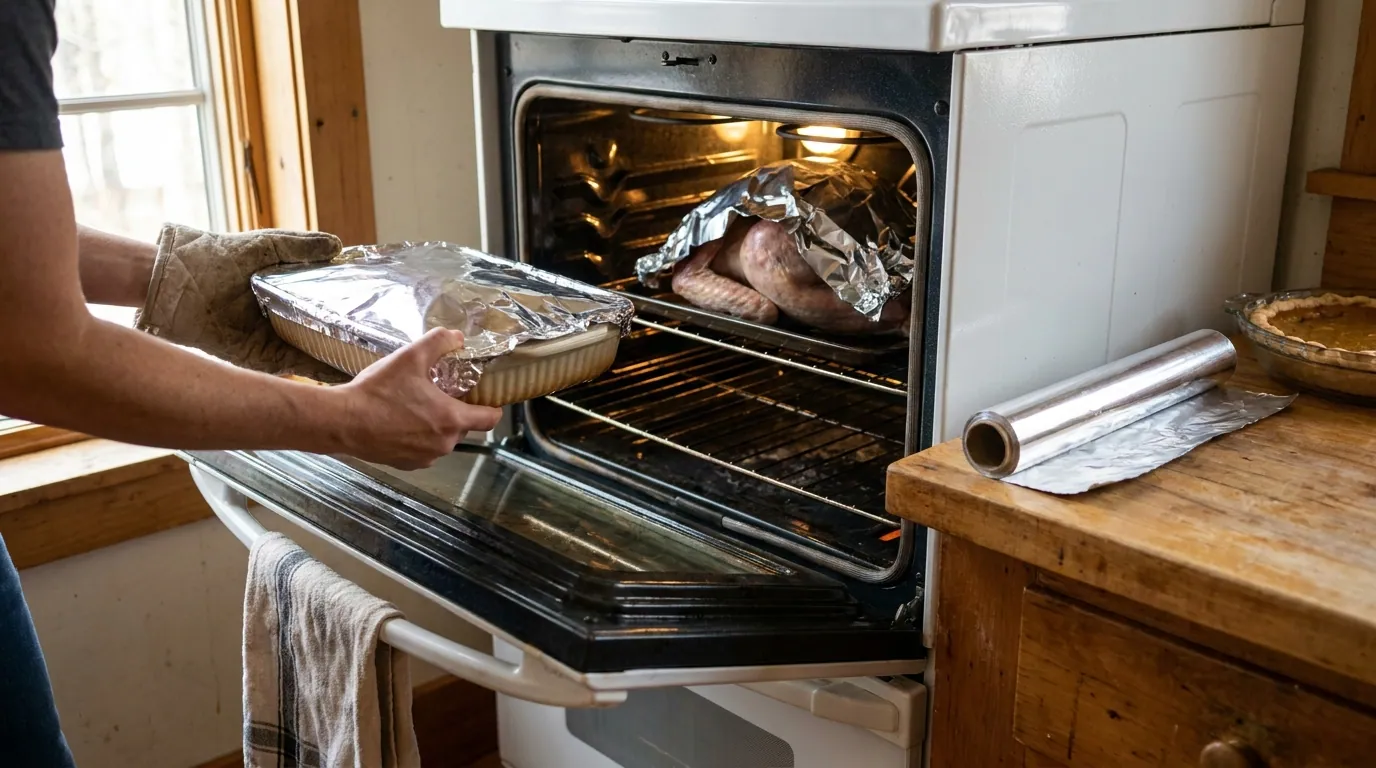
Can you put aluminum foil in the oven? Yes, in most cases you can — but only when you use it the right way. That simple answer is what most people want, but the real issue is aluminum foil oven safety. Foil can be helpful for covering dishes, lining baking sheets, tenting a turkey, or keeping a pie crust from over-browning. At the same time, using it the wrong way can block airflow, affect heat distribution, damage parts of the oven, or react with certain foods like tomatoes, citrus fruits, and other acidic foods.
That is why the better question is not only “can aluminum foil go in the oven”, but also “when is it safe, when is it not, and what should you use instead?” Manufacturer-style guidance and food-focused articles largely agree on the basics: foil is usually safe on pans or over food, but you should not line the oven bottom with foil, and you should be careful around heating elements, vent openings, and foods that may react with the metal.
In this guide, you will get a clear answer, practical examples, a comparison of foil vs parchment paper vs silicone mats vs glass or ceramic, and straightforward tips on how to use aluminum foil safely in the oven.
Is It Safe to Put Aluminum Foil in the Oven?
Is it safe to put aluminum foil in the oven? In general, yes. Standard aluminum foil in the oven is usually fine at normal baking and roasting temperatures, which is why cooks use it every day for baking, roasting, reheating leftovers, and covering dishes. Foil is valued because it handles heat well, helps retain moisture, and makes cleanup easier when used on the right surface. Sources discussing oven use also note that aluminum’s melting point is far above normal baking temperatures, so ordinary oven heat is usually not the issue on its own.
The real safety issues come from placement and context. Foil can cause trouble when it blocks air flow, covers vent openings, sits too close to heating elements, or is used as an oven liner on the oven bottom. It can also be the wrong choice for foods with lots of acid or salt, where a chemical reaction may affect flavor and increase aluminum transfer. So, when people ask “is aluminum foil safe in the oven”, the best answer is: yes for many uses, no for some specific ones.
When Aluminum Foil Is Safe to Use in the Oven
There are several situations where using aluminum foil in the oven makes good sense. One of the most common is lining a baking sheet or baking tray. If you are roasting vegetables, baking messy foods, or reheating something that might drip, foil on a pan can save time on cleanup and still allow safe cooking. Another common use is to cover dishes properly. A foil cover can keep casseroles, roasts, and baked meals from drying out too quickly. That is why you often see foil used for tenting, locking in moisture, or preventing the top of a dish from browning too fast.
Foil also works well for specific cooking tasks. You can use it to shield the edges of a pie crust, wrap fish or vegetables in foil packets, or tent a turkey so the surface does not darken before the inside is cooked through. In holiday cooking, especially for a Thanksgiving turkey, that is one of the most familiar safe uses of foil. It is also common when reheating leftovers that need gentle heat without losing too much moisture.
A helpful rule is this: foil belongs on the food or on the pan, not as a permanent layer inside the oven itself. If you follow that rule, many everyday uses are safe and practical. That answers a lot of the long-tail questions people search, such as “can you line pans or baking sheets with aluminum foil” and “can aluminum foil help retain moisture in the oven.”
When You Should Not Put Aluminum Foil in the Oven
Even though foil is useful, there are times when you should avoid it. One of the biggest problems is using foil where it interferes with the oven’s design. If foil blocks airflow or traps too much heat in one place, you may end up with uneven cooking, scorched surfaces, or damage to the oven interior. This is part of why so many articles and manufacturers warn about aluminum foil oven mistakes and explain when not to use aluminum foil in the oven.
You should also avoid foil if it can touch a heating element or sit dangerously close to one, especially when broiling. Under the broiler, the top heat is intense and direct, and placement matters much more than it does in ordinary baking. In some ovens, foil used carelessly can damage the finish, contribute to hot spots, or create fire hazards. Foil is also not always ideal when crisp texture matters. If you seal food too tightly, you may trap steam and end up with soft food when you wanted browning or crunch.
This is why the question “can I put aluminum foil in the oven by itself” is not the same as “can I put foil on a sheet pan or over a dish.” The first is much riskier depending on placement. The second is often fine. That difference is small, but it matters.
Never Line the Bottom of the Oven With Foil
If there is one rule almost every reliable source repeats, it is this: do not line the bottom of your oven with foil. This is one of the clearest consensus points in the search results. People do it because they want easier cleanup, but oven liner foil can create more trouble than it solves. It can interfere with heat circulation, block vent openings, and affect how the oven bakes. In some cases, it may also damage porcelain finish or enamel surfaces.
That warning is especially important because many people confuse lining a pan with lining the oven floor. These are not the same thing. A foil-lined pan is removable and does not usually change how the oven operates. Foil on the oven bottom can disrupt the system the appliance relies on to move heat correctly. That is why so many manufacturer-style pages emphasize oven liner risks and explain why you can’t use aluminum foil as an oven liner.
If your goal is cleaner baking, a better option is to place a pan on a lower rack to catch drips when your manual allows it, or simply clean spills after the oven cools. Lining the oven itself may look like a shortcut, but it is one of the most avoidable foil warning mistakes.
Can You Put Foil on Oven Racks?
This is where people often get mixed advice. Can you use foil on oven racks? Sometimes a small amount of foil placed carefully may be treated differently from fully covering a rack, but the broader guidance is still cautious. Covering the whole rack can block air flow, affect even heat distribution, and interfere with oven performance.
That means foil on oven racks is not automatically safe just because the foil is not on the oven floor. If the foil acts like a barrier and changes how heat moves, it can still create problems. So if you are trying to catch drips, it is generally smarter to use a pan rather than covering a rack. This also answers another common long-tail concern: “should you avoid covering the full oven rack with foil?” In most cases, yes.
Foods You Should Not Cook in Aluminum Foil
A lot of people assume foil is neutral with food, but that is not always true. Acidic foods and aluminum foil are not the best match. Foods containing tomatoes, citrus, and vinegar-heavy sauces can react with foil, which may affect flavor and lead to more aluminum transfer into the food. This is one of the most repeated food-specific warnings in the competitor set.
This issue can extend beyond obvious acidic foods. Salty foods, salty marinades, and some seafood dishes may also be better in glass baking dishes or ceramic bakeware, especially if the food will sit for a while. If you are roasting a tomato-based casserole, baking fish with lemon, or cooking a vinegar-rich dish, foil is usually not your best choice. This is where broader expert advice fills a real content gap left by several competitors.
A simple way to think about it is this:
- For dry roasting, foil may be useful.
- For acidic, salty, or vinegar-heavy foods, use glass or ceramic instead.
That small switch can improve both flavor and safety.
Foil vs Parchment Paper vs Silicone Mats vs Glass or Ceramic
Many searchers are not just asking “can you put aluminum foil in the oven”. They are really asking what should I use for this recipe? That is why a comparison helps more than a yes-or-no answer alone.
| Material | Best for | Avoid when |
| Aluminum foil | Tenting, covering dishes, roasting, catching mess on a pan | Lining the oven bottom, acidic foods, full rack coverage |
| Parchment paper | Cookies, sticky foods, easier release, light baking | Very high direct heat or broiler use unless specifically rated |
| Silicone baking mat | Reusable baking surface, cookies, nonstick baking | Some roasting tasks where browning is the priority |
| Glass or ceramic bakeware | Acidic dishes, casseroles, tomato-based bakes | Situations where you specifically need a flexible cover |
This is where foil instead of parchment paper becomes a practical choice rather than a blanket rule. If you want crisp cookies, parchment paper or a silicone baking mat is often better. If you want to cover dishes or protect a roast from over-browning, foil is often better. If you are baking something with tomatoes, vinegar, or citrus, glass or ceramic usually wins.
So, can I use aluminum foil in the oven instead of parchment paper? Sometimes yes, but not always. The best substitute depends on whether you want nonstick release, browning, moisture retention, or protection from reactivity.
Is Aluminum Foil Safe at 425°F, 450°F, or Under the Broiler?
Questions like “is aluminum foil safe at 425 degrees” and “can you put aluminum foil in the oven at 450 degrees” are common because people worry that foil will melt. In regular baking, those temperatures are usually well below aluminum’s melting point, so the temperature itself is not normally the problem. The bigger concern is how close the foil is to direct, intense heat or whether it is being used in a way that changes airflow.
Under the broil function, caution matters much more. Broilers use strong top heat, and foil near heating elements can become a problem more quickly. That is why guidance around broiling with aluminum foil is more careful than advice for simple baking or roasting. If you use foil while broiling, placement should be deliberate, limited, and consistent with the appliance manual.
So the better answer is not just about temperature. It is about temperature plus placement plus oven design.
Can You Use Aluminum Foil in Convection, Toaster, and Self-Cleaning Ovens?
Convection ovens and toaster ovens are not always as forgiving as standard ovens because airflow and interior space matter more. In a convection oven, the moving hot air is a big part of how the food cooks. If foil blocks that pattern, you may get poorer results. In a toaster oven, the space is tighter, so foil can end up too close to hot surfaces or the wrong component. Some guidance specifically notes the importance of checking manufacturer’s guidelines before using foil in these specialty appliances.
A strong gap topic here is the self-cleaning oven. Even though your competitors barely addressed it, it is a smart section to include. During self-cleaning cycles, ovens reach very high temperatures, and foil should not be left inside unless the manual explicitly allows it. The same logic applies to a countertop oven or crumb tray setup: follow the manual first, because small appliance designs vary more than standard wall ovens or ranges.
Which Side of Aluminum Foil Goes Up?
People love this question: shiny side or dull side? For ordinary foil, the difference is usually not meaningful for normal oven cooking. The two different-looking sides are typically a result of how the foil is manufactured, not because one side is the official “cooking side.” A practical exception is non-stick aluminum foil, which is designed to have a food-contact side.
So if you are using regular foil, do not overthink the shiny side and dull side debate. Focus more on how you use the foil than which side faces up.
How to Use Aluminum Foil Safely in the Oven
The best approach is simple: use foil where it helps, and avoid using it where it interferes with the oven itself.
Here is a quick reference table:
| Do | Don’t |
| Line a pan or baking sheet | Line the oven bottom |
| Tent food to prevent over-browning | Block vents or airflow |
| Use foil for roasts, casseroles, and reheating | Let foil touch heating elements |
| Choose glass or ceramic for acidic foods | Use foil as a universal replacement for every bakeware need |
| Check the manual for toaster/convection ovens | Assume every specialty oven handles foil the same way |
A practical example makes this easier to remember. If you are baking a casserole and want the top to stay moist, foil is helpful. If you are baking cookies and want easy release, parchment paper or a silicone mat is usually better. If you are roasting lemon fish or tomato-based vegetables, glass or ceramic makes more sense. That is what real, safe oven use looks like — not one material for every job.
FAQ
Can you put aluminum foil in the oven by itself?
Sometimes, but it depends on where it is placed. Foil used loosely or directly in the oven without a pan can be riskier if it blocks airflow, moves around, or gets too close to a heating element. Using it on a pan is usually safer.
Can you bake cookies directly on aluminum foil?
You can, but it is often not ideal. Foil is less nonstick than parchment paper and may affect browning. For cookies and delicate baked goods, parchment or a silicone baking mat is usually the better choice.
Can you roast vegetables on aluminum foil?
Yes. Roasting vegetables on a foil-lined pan is a common safe use. Just do not confuse lining a sheet pan with lining the oven floor.
Can you reheat pizza or leftovers with aluminum foil in the oven?
Yes, foil can help with reheating leftovers by reducing moisture loss. But if you want crisp texture, avoid sealing food too tightly because trapped steam can soften the crust.
Does aluminum foil affect cooking time?
Usually not dramatically, but it can affect browning, moisture retention, and how heat reaches the food. A tightly covered dish may cook differently from an uncovered one because steam stays trapped inside.
What temperature does aluminum foil melt?
Aluminum melts at a much higher temperature than normal baking temperatures, which is why 425°F or 450°F is not usually the issue. Misuse near extreme direct heat or sensitive oven surfaces is the more practical concern.
Can you reuse aluminum foil after oven cooking?
Sometimes yes, if it is clean and intact. But if it has grease, food residue, tearing, or strong reaction with ingredients, it is better to discard it. Reuse is about condition, not just habit.
Can you store food in aluminum foil after baking?
You can for short-term situations, but it is not the best option for every food, especially acidic foods or salty dishes. For storage, containers made for food storage are often better.
Conclusion
So, can you put aluminum foil in the oven? Yes — and for many cooks, it is a useful tool for covering dishes, lining baking sheets, roasting foods, and preventing over-browning. But aluminum foil oven safety depends on using it in the right place and for the right purpose. Do not line the oven bottom, do not block airflow or vent openings, and avoid using foil with acidic, highly salty, or vinegar-heavy foods.
When you need the right alternative, choose parchment paper for cookies and sticky foods, a silicone baking mat for reusable nonstick baking, and glass or ceramic bakeware for reactive ingredients like tomatoes or citrus. That way, you are not just asking “can aluminum foil go in the oven” — you are choosing the best and safest tool for the job.
Disclaimer: This content is for general informational purposes only. It is not a substitute for manufacturer instructions or professional advice. Always follow your oven’s user manual and safety guidelines, especially for high-heat cooking, broiling, and specialty appliances.