
 By adnanshabbir942@gmail.com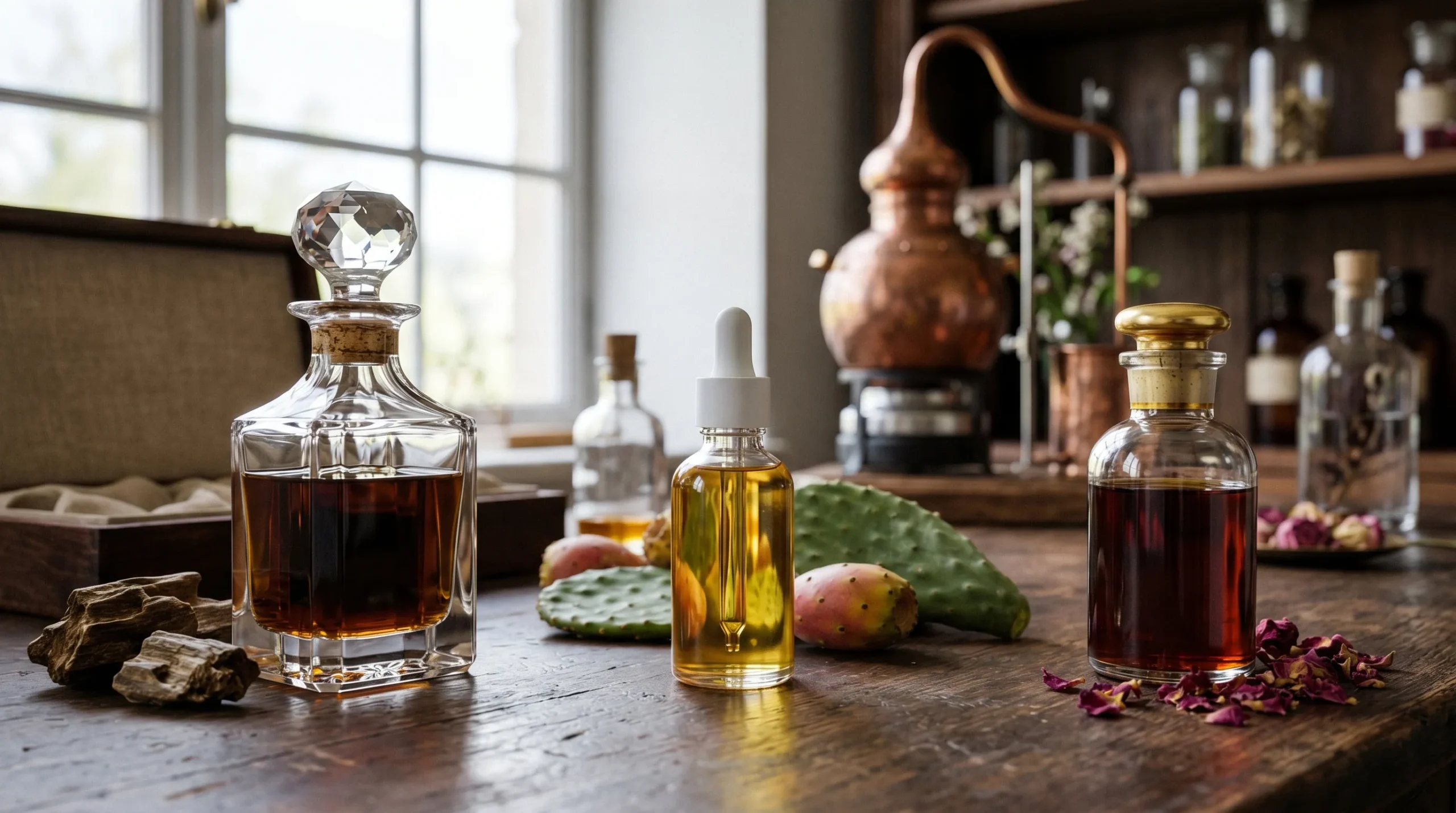
Most expensive oil in the world is a phrase that sounds straightforward, but the real answer depends on what kind of oil you mean. Are we talking about essential oil, cosmetic oil, or perfume oil? That distinction matters because oud oil, agarwood oil, and prickly pear seed oil are all treated as luxury oils, yet they belong to different categories and are priced for different reasons.
Some articles name oud as the clear winner because it is often called “liquid gold” in luxury perfumery. Others point to Moroccan prickly pear seed oil because of its tiny yield, difficult extraction, and extremely high price per liter. This is exactly why search results often give conflicting answers.
In other words, the question is not only which oil is actually the most expensive, but also what counts as oil in this keyword. Once you separate essential oils from carrier oils and cosmetic oils, the topic becomes much clearer. In this guide, you will see why oud oil is usually treated as the most expensive essential oil in the world, why prickly pear seed oil is one of the most expensive cosmetic oils in the world, and which other rare essential oils deserve a place on the list.
What Counts as the “Most Expensive Oil” in the World?
Before comparing prices, it helps to understand the categories. Essential oils are highly concentrated plant extracts obtained through methods like steam distillation or solvent extraction. They are usually valued for aromatherapy, fine fragrance, and sometimes therapeutic qualities. Carrier oils and cosmetic oils, on the other hand, are pressed from seeds, nuts, or fruit and are often used for skincare, anti-aging, and natural cosmetics. Then there are perfume oils, which may overlap with both categories but are judged heavily by scent, rarity, and prestige in high-end perfumery.
This matters because cold-pressed prickly pear seed oil and steam-distilled oud oil are not produced the same way, used the same way, or priced the same way. Comparing them without context is like comparing rare tea with fine wine. Both may be luxurious, but the yield per plant, extraction process, craftsmanship, and market demand are completely different.
That is why the broad keyword most expensive oil in the world creates confusion. A reader looking for the most expensive cosmetic oil in the world may expect prickly pear seed oil, while someone searching for the most expensive perfume oil in the world may expect oud or agarwood oil. A strong article should clarify this instead of forcing one incomplete answer.
The Short Answer: Oud and Prickly Pear Seed Oil Dominate This Topic
If you want the clearest answer, here it is. Oud oil is widely regarded as the most expensive essential oil in the world, while prickly pear seed oil is often treated as one of the most expensive cosmetic oils in the world.
Oud, also called agarwood oil, comes from the resinous heartwood of the Aquilaria tree. It is famous in luxury perfumery, attar, and mukhallats, especially in the Middle East and Asia. Because only a small percentage of trees develop the prized resin naturally, its scarcity pushes the price into extraordinary territory. In many luxury markets, oud oil can be sold at prices such as $1500 per ounce or even $2000 per ounce, depending on origin, age, and purity.
Prickly pear seed oil, especially pure prickly pear seed oil from Morocco, sits in a different lane. It is not mainly bought for perfume. It is bought for skincare, anti-aging, and its image as an elixir of beauty. The reason it is so expensive is simple but dramatic: producing a small amount of oil can require 1000kg of prickly pears, many kilos of seeds, and long, careful cold pressing. That is why you may see claims such as 1000€ per liter attached to this oil.
So if someone asks, is oud oil more expensive than prickly pear seed oil, the best answer is that oud usually leads in the essential-oil and perfume category, while prickly pear seed oil dominates the luxury cosmetic oil conversation.
Why Oud Oil Is Often Called the Most Expensive Essential Oil in the World
There is a reason oud oil the liquid gold of aromatherapy has become such a popular phrase. Oud is not just expensive because it smells rich and deep. It is expensive because of a rare biological event. When certain Aquilaria trees become infected or stressed, they produce a dark aromatic resin as a defense response. That resin eventually forms the raw material for agarwood and, later, agarwood oil.
The biggest driver here is rarity. Not every tree produces resin, and some estimates suggest that only around 2% of trees naturally develop the kind of resin that is commercially prized. Add in the fact that trees may take 3–5 years or even 15–30 years to reach the stage where the material becomes truly valuable, and the price story starts to make sense.
Then comes the issue of extraction difficulty. Creating pure oud oil is not a quick industrial process. It involves harvesting, separating resin-rich wood, distillation, aging, and handling material that is already scarce before the process even begins. This is one of the best examples of how low yield, labor-intensive extraction, and geographic exclusivity work together. In some fragrance circles, the finest oud is judged not just by smell, but by region, age, and distillation style.
Another reason why oud oil is so expensive is its cultural position. In luxury perfumery, fine fragrance, and traditional attar making, oud carries enormous prestige. It is not merely a scent; it is a symbol of luxury, exclusivity, and cultural significance. In parts of the Middle East, it is tied to hospitality, ritual, and status. In global fragrance markets, it is one of the strongest examples of a rare natural material that consumers actively seek.
This is also where ethical sourcing of oud, agarwood sustainability, and CITES agarwood become important. Because demand is so high, discussions around Aquilaria malaccensis, responsible harvesting, and protection of endangered species matter more than ever. Competitors rarely explore this deeply, but it strengthens trust and topical authority. When readers ask why is agarwood called liquid gold, the answer is not only price. It is the combination of rarity, history, scent complexity, and conservation pressure.
Why Prickly Pear Seed Oil Is One of the Most Expensive Cosmetic Oils
If oud rules the essential-oil side, prickly pear seed oil rules the beauty side. This oil is strongly associated with Moroccan beauty oil branding, organic beauty, and premium natural cosmetics. It is often marketed as a luxurious treatment for dry skin, anti-aging, and skin renewal.
The main reason why prickly pear seed oil is so expensive is the astonishingly low yield. A tiny bottle may represent a huge amount of raw material. Some producers claim that around 1000kg of prickly pears are needed to make one liter of oil. Others describe the process in terms of a ton of fruit, fifty kilos of seeds, and many hours of patient work. Even the image of oil being collected drop by drop is not much of an exaggeration.
Unlike many oils that can be scaled more easily, traditional hand extraction of prickly pear seeds and subsequent cold pressing create a bottleneck. This is why some writers describe the oil as impossible to industrialize in the same way as cheaper beauty oils. The oil’s prestige also comes from how it is marketed: not just as a moisturizer, but as a precious prickly pear seed oil, a 100% pure prickly pear seed oil, and a premium active ingredient in luxury skincare.
There is also a strong emotional appeal around origin. Morocco has become central to the identity of this product, and that regional association adds to its perceived value. When buyers ask how much prickly pear fruit is needed for one liter of oil, they are really asking whether the price is justified. In this case, the answer often comes back to yield, labor, and rarity.
For readers focused on beauty rather than fragrance, this is why the most expensive oil in the world is Moroccan can sound convincing. It is not that prickly pear seed oil beats every rare perfume material in every category. It is that it dominates the luxury cosmetic oil category so strongly that it becomes the answer many skincare-focused articles prefer.
What Makes an Oil So Expensive? Seven Real Price Drivers
Whether the oil is oud, rose otto, orris root oil, or prickly pear seed oil, the same pricing logic appears again and again. First comes rarity. If the plant is uncommon, grows in limited regions, or produces valuable material only under unusual conditions, prices rise fast.
Second is yield per plant. Some oils require astonishing amounts of raw material. Rose oil is a perfect example. If the process needs around 10,000 pounds or 4,500 kilograms of flowers to produce only 450 milliliters of oil, the cost will naturally be high. This is why how many roses to make one ounce of rose oil is such a relevant question in luxury oil discussions.
Third is harvesting difficulty. Some flowers must be collected at a precise time, even before sunrise or during a narrow night harvest window, to preserve their aroma. Others require careful separation of seeds, roots, or resin-rich wood. Fourth is the extraction process itself. Steam distillation, solvent extraction, and cold pressing all involve different costs, time frames, and losses.
Fifth is time. An oil linked to slow-growing trees or long maturation periods can never be cheap. Sixth is purity. Buyers pay more for unadulterated oil, certification, and documented quality. Seventh is market prestige. Some oils are not merely useful; they are aspirational. In those cases, luxury perfumery, brand storytelling, and exclusivity can amplify the price beyond raw production cost.
This is why what determines the cost of an essential oil is never one single factor. It is the full chain of scarcity, yield, labor, processing, and demand.
Other Rare and Expensive Oils Worth Knowing About
Once you move beyond oud oil and prickly pear seed oil, you find a fascinating group of other expensive essential oils. These oils may not always claim the number-one spot, but they appear repeatedly in competitor content because they are strongly associated with luxury, artistry, and low-yield extraction.
Rose Otto is one of the classics. Produced from Rosa damascena or Damask rose, it is famous for its rich floral scent and emotional appeal. It is also famous for being painfully expensive to make. The fact that huge volumes of petals are needed for a tiny output explains why rose otto the queen of flowers in liquid form remains a strong luxury phrase.
Jasmine Absolute, including jasmine sambac and jasmine grandiflorum, is another standout. It is deeply tied to high-end perfumery because of its sensual, complex aroma. Harvest timing matters, and its production often reflects the same blend of craftsmanship, low yield, and prestige that drives the rest of this niche.
Neroli oil, made from orange blossom, is prized for both fragrance and natural wellness. Sandalwood oil, especially from Santalum album, remains iconic because of its creamy woody scent and long history in both ritual and fragrance use. Orris root oil and orris butter, linked to Iris pallida, are especially noteworthy because they combine rarity with long processing time. Some accounts mention 1 ton of roots yielding only 2kg of Orris Butter, which tells you everything about why this material is treasured.
Other names that appear in premium lists include tuberose absolute, champaca essential oil, frangipani essential oil, frankincense oil, and myrrh oil. Some sites also mention niche entries like galangal essential oil, cannabis essential oil, hemp seed oil, and seaweed essential oil, though these do not carry the same universal prestige as oud, rose, or jasmine.
Here is a simplified comparison:
| Oil | Category | Why It’s Expensive | Typical Luxury Use |
| Oud / Agarwood Oil | Essential / Perfume | Rarity, resin formation, prestige, low yield | Luxury perfumery, attar, fragrance |
| Prickly Pear Seed Oil | Cosmetic / Carrier | 1000kg of prickly pears, cold pressing, anti-aging demand | Skincare, beauty rituals |
| Rose Otto | Essential | Huge flower volume, delicate harvesting | Perfume, aromatherapy |
| Jasmine Absolute | Essential / Perfume | Hand-picked flowers, solvent extraction, low yield | Fine fragrance |
| Orris Root Oil | Perfume Material | Long aging time, tiny output | Luxury fragrance base |
| Sandalwood Oil | Essential | Slow-growing trees, scent prestige | Perfumery, ritual use |
How to Tell Whether an Expensive Oil Is Pure or Fake
One of the biggest problems in this niche is authenticity. People searching for how to spot fake oud oil, how to identify pure prickly pear seed oil, or how to check essential oil authenticity are asking a smart question. When an oil carries a luxury price tag, the risk of adulterated essential oils and fake luxury oils goes up.
A genuine high-value oil should come with clear details. The seller should mention origin, extraction method, bottle size, and purity. If the label is vague, the price looks unrealistically low, or the product avoids specifics, caution is wise. This is especially important with oils sold as therapeutic grade, because that phrase can be used loosely in marketing.
For oud oil, suspiciously cheap offers are a red flag. True agarwood oil is rare, and a bottle marketed as pure oud at an ordinary fragrance price deserves scrutiny. For prickly pear seed oil, look for transparency around cold pressing, seed source, and whether the oil is meant for cosmetic use. Good storage also matters. Premium oils are usually sold in dark glass bottle packaging to protect them from heat and light.
Where possible, serious buyers look for lab transparency such as GC/MS testing, especially in the essential-oil world. While not every premium bottle will publish a report openly, brands that discuss purity, sourcing, and handling are generally more trustworthy than those relying only on glamour language.
Are Expensive Oils Worth the Money?
The answer depends on what you want. If you are buying for luxury perfumery, artistry, or a rare olfactory experience, then certain oils truly do justify high prices. Oud, rose otto, and jasmine absolute are expensive because they are difficult to produce and impossible to imitate perfectly with ordinary materials.
If you are buying for skincare, the same logic applies only up to a point. Prickly pear seed oil may be luxurious, but not every buyer needs the most expensive option. Sometimes a mid-range oil can serve daily needs perfectly well. This is why are expensive oils worth the money is really a question of purpose. A perfume collector, a niche fragrance house, and a skincare minimalist will all answer differently.
The best approach is to separate true production value from pure branding. When the price reflects rarity, low yield, labor-intensive extraction, and documented purity, the premium may be justified. When the price relies only on vague luxury messaging, it may not be.
How to Store High-Value Oils So They Last Longer
If you pay a premium, you should protect it. Storage of expensive oils is not glamorous, but it matters. Heat, light, and oxygen all damage delicate natural oils over time. This is one reason dark glass bottle essential oils are preferred. They reduce exposure and help slow oxidation of natural oils.
Smaller sizes such as a 5ml bottle, 10ml size, or 30ml bottle can also be practical because they reduce repeated air exposure compared with large containers opened often. Keep oils tightly closed, away from direct sunlight, and in a cool place. The exact shelf life of essential oils varies, but a general range of 12–24 months is often used for sensitive oils, while some heavier materials may last longer if stored correctly.
In simple terms, good storage protects both aroma and value.
Final Verdict: Which Is the Most Expensive Oil in the World?
So, what is the most expensive oil in the world? The most accurate answer is this: if you mean essential oil, oud is the strongest answer. If you mean cosmetic oil, prickly pear seed oil is one of the strongest answers. That is the cleanest way to resolve the confusion behind the keyword.
This is also why the phrase oud oil vs prickly pear seed oil matters so much. They are both luxury oils, but they dominate different categories. Oud wins on the fragrance and essential-oil side because of the rarity of agarwood, the prestige of high-end perfumery, and the extraordinary scarcity behind the material. Prickly pear seed oil wins the beauty conversation because of its tiny yield, premium skincare positioning, and strong identity as a rare Moroccan oil.
The smartest way to think about this keyword is not to force one simplistic answer. It is to understand why the answer changes by category.
FAQs About the Most Expensive Oil in the World
What is the most expensive oil in the world?
In broad online search, the answer is usually split between oud oil and prickly pear seed oil. Oud leads the essential oil category, while prickly pear seed oil leads the luxury cosmetic oil category.
Why is oud oil so expensive?
Because of rarity, resin formation in the Aquilaria tree, low yield, long growth time, and strong demand in luxury perfumery.
Why is prickly pear seed oil so expensive?
Because producing a small amount may require 1000kg of prickly pears, many kilos of seeds, and careful cold pressing. Its prestige in anti-aging skincare also boosts the price.
Is oud oil more expensive than rose oil?
Usually, yes. Rose Otto is extremely expensive, but pure oud oil often reaches higher levels because of its rarity and prestige.
How do I know if an expensive oil is real?
Check origin, extraction method, seller transparency, bottle type, and whether the brand discusses purity or GC/MS testing. Be cautious of offers that seem far too cheap for a genuinely rare oil.
Which expensive oil is best for anti-aging?
Among luxury beauty oils, prickly pear seed oil is one of the best-known names in the anti-aging space, especially in natural cosmetics and high-end skincare.
Disclaimer:
This article is for general informational and educational purposes only. Oil prices, purity, availability, sourcing, and quality can vary widely by region, supplier, extraction method, market demand, and product category. Always research the seller, check authenticity details, and consult a qualified professional before using essential oils or cosmetic oils on the skin, especially if you have allergies, sensitivities, or health concerns.